

Can Manipur Govt issue advisory to digital media platforms under IT Rules, 2021? NO!

  Based on the legal framework of the Information Technology (Intermediary Guidelines and Digital Media Ethics Code) Rules, 2021 and the specific precedent involving The Frontier Manipur in 2021, a state government cannot issue such an advisory to regulate digital news content under Part III of the IT Rules, 2021. TFM Analysis The Home Department […]

The post Can Manipur Govt issue advisory to digital media platforms under IT Rules, 2021? NO! first appeared on The Frontier Manipur.


Based on the legal framework of the Information Technology (Intermediary Guidelines and Digital Media Ethics Code) Rules, 2021 and the specific precedent involving The Frontier Manipur in 2021, a state government cannot issue such an advisory to regulate digital news content under Part III of the IT Rules, 2021.

TFM Analysis

The Home Department of the Government of Manipur issued an advisory on April 27, directing all electronic, digital, and social media platforms operating within the State to adhere to responsible dissemination of information.

Citing the Information Technology (Intermediary Guidelines and Digital Media Ethics Code) Rules, 2021, the advisory noted that instances of unverified, misleading, and provocative content — including announcements attributed to banned organisations — have been observed, causing panic and disturbance to public order.

The advisory mandates due diligence by platforms, prohibits hosting content from unlawful or unauthorised organisations, and calls for the prevention of misinformation, deepfakes, and manipulated content. News publishers have been directed to adhere to the Code of Ethics under the IT Rules, 2021, ensuring accuracy, fairness, and respect for public order.

Platforms have also been asked to refrain from sensational or provocative content, establish grievance redressal mechanisms, and cooperate with law enforcement agencies. Non-compliance, the advisory stated, may attract action under the Information Technology Act, 2000. The order, issued with the approval of the Competent Authority, came into immediate effect.

Not Again! Know the Centre’s mandate

Based on the legal framework of the Information Technology (Intermediary Guidelines and Digital Media Ethics Code) Rules, 2021 and the specific precedent involving The Frontier Manipur in 2021, a state government cannot issue such an advisory to regulate digital news content under Part III of the IT Rules, 2021.

A cursory legal analysis and the referenced precedent.

  1. The Legal Basis: Part III is a Central Subject

The advisory you attached explicitly cites the IT Rules, 2021 as its source of authority (specifically clauses 3 and 4 of the document). However, the legal architecture of these rules divides power between the Centre and States:

– Part II of the IT Rules, 2021 deals with Intermediaries (social media platforms like Facebook, X, etc.). These rules are administered by the Ministry of Electronics and Information Technology (MeitY) .

– Part III of the IT Rules, 2021 deals with Publishers of Digital News and Current Affairs. These rules are administered exclusively by the Ministry of Information and Broadcasting (MIB), Government of India.

  1. The Central Government’s Clarification (2021)

To prevent overreach, the Central Government issued a formal clarification to all States and Union Territories on March 3, 2021. The Ministry of Information and Broadcasting explicitly stated that:

“It is hereby informed that Part-III of the Rules are administered by the Ministry of Information and Broadcasting, Government of India. These powers have not been delegated to State Governments/District Magistrates/Police Commissioners.”

Any action taken by a State Government under Part III (i.e., regulating digital news content, enforcing a “Code of Ethics,” or issuing directions to news publishers) is therefore legally untenable and ultra vires (beyond its legal authority).

  1. The Precedent: Manipur vs. The Frontier Manipur (2021)

Your reference to the notice issued to The Frontier Manipur is the definitive precedent for why the advisory issued by Government of Manipur, Home Department is invalid.

– The Incident (March 1, 2021): The District Magistrate of Imphal West issued a notice to The Frontier Manipur (TFM) and its talk show “Khanasi Neinasi.” The notice demanded documents proving compliance with the IT Rules, 2021, citing the new digital media norms. This was the first time that a notice has been issued under the new guidelines that the Centre announced on February 25.

– The Central Intervention: The Central Government intervened immediately. I&B Secretary Amit Khare wrote a letter to the Manipur Chief Secretary stating that the District Magistrate had no jurisdiction to issue such a notice.

– The Result: The Manipur Government was forced to withdraw the notice within 24 hours. The Deputy Commissioner pasted a new order outside The Frontier Manipur, Executive Editor’s residence stating the previous notice was “withdrawn with immediate effect”.

  1. How the Current Advisory Exceeds State Powers

The advisory dated April 27, 2026 contains several provisions that violate the 2021 Central clarification:

Provision in Advisory Legal Status  Reason
Point (v): Barring “sensational” or “provocative” content. Ultra Vires This is content regulation of news publishers, falling exclusively under MIB (Part III)
Point (vi): Mandating Grievance Redressal Mechanisms. Ultra Vires The 3-Tier grievance system for digital news is controlled by the Centre, not the State Home Department.
Point (vii): Threatening loss of “statutory protections” (Safe Harbour). Ultra Vires The power to strip an intermediary of safe harbor protection lies with the Centre under Section 79 of the IT Act, not a State Commissioner of Home.


  1. The “Notice” vs. “Advisory” Distinction

While the government might argue that the attached document is merely an “Advisory” and not an “Order,” legally this distinction is weak (a distinction without a difference).

– The Effect: The document uses mandatory language (“shall be ensured,” “strict compliance,” “Legal Consequences for Non-Compliance”).

– The Precedent: In 2021, the Centre rebuked Manipur even for issuing a notice requesting information. The Centre maintains that no State authority—whether by notice, order, or advisory—can compel compliance under Part III of the IT Rules.

What is Wrong?

The Government of Manipur lacks the constitutional and statutory authority to issue this advisory under the IT Rules, 2021.  Therefore, the advisory is legally unenforceable. It mirrors the exact overreach seen in The Frontier Manipur case of 2021, which the Central Government immediately quashed. If a media house receives such a notice, it can respond citing the MIB’s circular dated March 3, 2021, stating that the State Home Department has no jurisdiction over digital news content under Part III of the IT Rules, 2021.


The post Can Manipur Govt issue advisory to digital media platforms under IT Rules, 2021? NO! first appeared on The Frontier Manipur.

Read more / Original news source: https://thefrontiermanipur.com/can-manipur-govt-issue-advisory-to-digital-media-platforms-it-rules-2021-no/

Manipur: Class 12 Results 2026 Declared: Pass Percentage at 92.23%

Details of the Result at the end of the brief report

The post Manipur: Class 12 Results 2026 Declared: Pass Percentage at 92.23% first appeared on The Frontier Manipur.

Officials attributed the marginal decline in pass percentage to the ongoing challenges in the state since 2023 but maintained that the results were commendable given the circumstances. Commissioner Geoffrey said strict monitoring and a controlled examination environment ensured fairness.

TFM Report

Council of Higher Secondary Education Manipur (COHSEM) on Monday announced the Class 12 examination results for 2026, with an overall pass percentage of 92.23%, reflecting a slight dip from last year’s 94%.

The results were declared in Imphal in the presence of senior officials, including Education (Schools) Commissioner Ningthoujam Geoffrey and COHSEM Chairman T Ojit Singh.

A total of 31,259 students appeared for the examinations held from February 17 to March 20, with one subject re-exam conducted on April 1. Of these, 28,829 students passed, including 14,165 in first division, 12,879 in second division, and 1,763 in third division.

Officials attributed the marginal decline in pass percentage to the ongoing challenges in the state since 2023 but maintained that the results were commendable given the circumstances. Commissioner Geoffrey said strict monitoring and a controlled examination environment ensured fairness.

“We cannot compare with previous years due to the very typical situation since 2023. Despite the challenges, the results are quite good,” he noted.

Stream-wise Toppers

In the Science stream, Takhellambam Kalpana Devi (COMET School, Changangei) and Yohen Longjam (Comprehensive Concept School, Sangaiprou) jointly topped with 490 marks.

In Arts, Sarangthem Ayingbi Chanu of Enlighten Knowledge Higher Secondary School secured the top position with 470 marks, followed by Pushpa Kakchingtabam of TG Higher Secondary School with 456 marks.

In Commerce, Thoihenba Thongam from CC Higher Secondary School topped with 454 marks, while Haorongbam Keniya Chanu of TG Higher Secondary School secured second position with 433 marks.

District-wise and Gender Performance:

Among districts, Noney district recorded the highest pass percentage at 98.93%, followed by Thoubal district at 97.65%. Jiribam district recorded the lowest at 80.08%.

Girls once again outperformed boys across both government and private institutions. Government schools recorded a pass rate of 86.91%, while private schools performed better with 94.54%.

Despite the slight decline, authorities highlighted the smooth conduct of examinations and timely declaration of results as a significant achievement under difficult circumstances.

Details Here: Science_WallSheet Science_Topper HighestMarkPrint District Wise Institute wise pass Percentage District wise govt _Non_govt Pass percentage Commerce_WallSheet Commerce_Topper Arts_WallSheet Arts_Topper Subject wise Pass Percentage

The post Manipur: Class 12 Results 2026 Declared: Pass Percentage at 92.23% first appeared on The Frontier Manipur.

Read more / Original news source: https://thefrontiermanipur.com/manipur-class-12-results-2026-declared-pass-percentage-at-92-23/

INNOCENT BLOODS SHED: Rocket Attack Kills Two Children & Severely Injures Mother, Imphal Valley Seized By Massive Tension

Fresh Horror Struck Tronglaobi in Bishnupur District as Suspected Militant Strike Turns a Home into a Living Grave.   TFM Report The Imphal Valley, particularly Bishnupur District, has been gripped by tension and rising public anger since early morning Tuesday (April 7, 2026), after the news of the killing of two children and their mother  […]

The post INNOCENT BLOODS SHED: Rocket Attack Kills Two Children & Severely Injures Mother, Imphal Valley Seized By Massive Tension first appeared on The Frontier Manipur.

Fresh Horror Struck Tronglaobi in Bishnupur District as Suspected Militant Strike Turns a Home into a Living Grave.  

TFM Report

The Imphal Valley, particularly Bishnupur District, has been gripped by tension and rising public anger since early morning Tuesday (April 7, 2026), after the news of the killing of two children and their mother  in an improvised rocket/pompi attack.

According to sources, suspected Kuki militants launched a projectile—believed to be a rocket—targeting a civilian residence in Moirang Tronglaobi village. The explosive struck the house directly through a window, triggering a powerful blast that killed two young siblings and left their mother seriously injured.

Siblings Aged 5 Years and 5 Months Killed

The victims have been identified as a five-year-old boy, his five-month-old sister and their mother who later succumbed to injuries, as per sources from the locality. The explosion caused significant damage to the house and sent shockwaves across Imphal valley, with village residents rushing to the scene in an attempt to rescue the injured.

The children struck by the splinters of from the rocket blast being ruched to a nearby hospital. Source: Social Media


Locals claimed the projectile was fired from nearby hill slopes, suggesting that the launch point was located more than three kilometres away. Tronglaobi lies along the vulnerable hill-valley fringe near Moirang in Bishnupur district, close to the elevated areas of Churachandpur district, a region that has witnessed repeated tensions in since May 3, 2023.

Fury Spills into Streets – Police Station Gate Torched by Irate Mob

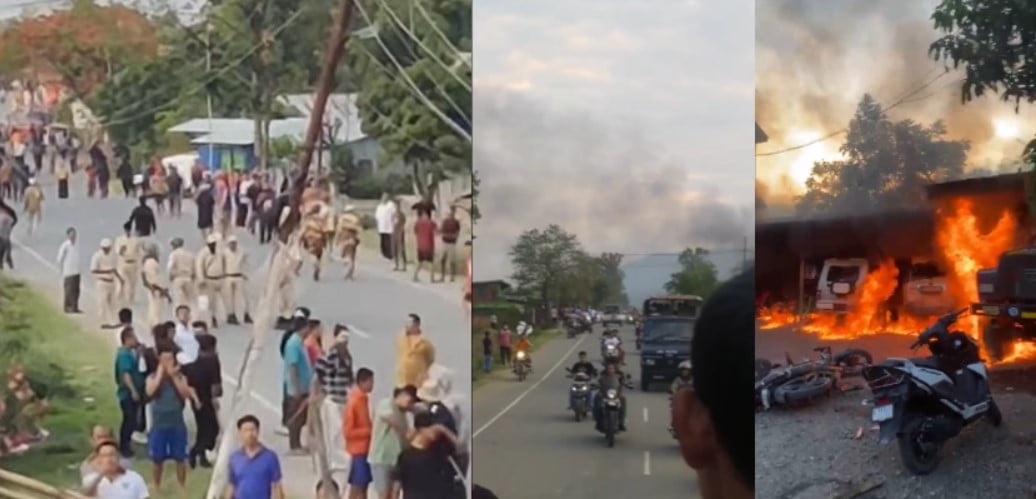
By post-dawn, irate mobs converged at the Moirang Police Station and burnt down the gate, as anger over the deaths of the two children boiled over. Reports are emerging that the incident is likely to trigger widespread protest and subsequent reactions across the valley, raising fears of a fresh spiral of violence.

Security Tightened – Forces Deployed Along Hill-Valley Boundary

As expected, security has been significantly tightened across the area following the attack, an act considered too late by the public. Additional forces have been deployed to prevent further escalation, while surveillance and search operations are underway in adjoining hill regions. Authorities are also closely monitoring other sensitive villages along the hill-valley boundary to avert any further incidents, said a source.

The post INNOCENT BLOODS SHED: Rocket Attack Kills Two Children & Severely Injures Mother, Imphal Valley Seized By Massive Tension first appeared on The Frontier Manipur.

Read more / Original news source: https://thefrontiermanipur.com/innocent-bloods-shed-rocket-attack-kills-two-children-severely-injures-mother-imphal-valley-seized-by-massive-tension/

INNOCENT BLOODS SHED: Rocket Attack Kills Two Children & Severely Injures Mother, Imphal Valley Seized By Massive Tension

Fresh Horror Struck Tronglaobi in Bishnupur District as Suspected Militant Strike Turns a Home into a Living Grave.   TFM Report The Imphal Valley, particularly Bishnupur District, has been gripped by tension and rising public anger since early morning Tuesday (April 7, 2026), after the news of the killing of two children and their mother  […]

The post INNOCENT BLOODS SHED: Rocket Attack Kills Two Children & Severely Injures Mother, Imphal Valley Seized By Massive Tension first appeared on The Frontier Manipur.

Fresh Horror Struck Tronglaobi in Bishnupur District as Suspected Militant Strike Turns a Home into a Living Grave.  

TFM Report

The Imphal Valley, particularly Bishnupur District, has been gripped by tension and rising public anger since early morning Tuesday (April 7, 2026), after the news of the killing of two children and their mother  in an improvised rocket/pompi attack.

According to sources, suspected Kuki militants launched a projectile—believed to be a rocket—targeting a civilian residence in Moirang Tronglaobi village. The explosive struck the house directly through a window, triggering a powerful blast that killed two young siblings and left their mother seriously injured.

Siblings Aged 5 Years and 5 Months Killed

The victims have been identified as a five-year-old boy, his five-month-old sister and their mother who later succumbed to injuries, as per sources from the locality. The explosion caused significant damage to the house and sent shockwaves across Imphal valley, with village residents rushing to the scene in an attempt to rescue the injured.

The children struck by the splinters of from the rocket blast being ruched to a nearby hospital. Source: Social Media


Locals claimed the projectile was fired from nearby hill slopes, suggesting that the launch point was located more than three kilometres away. Tronglaobi lies along the vulnerable hill-valley fringe near Moirang in Bishnupur district, close to the elevated areas of Churachandpur district, a region that has witnessed repeated tensions in since May 3, 2023.

Fury Spills into Streets – Police Station Gate Torched by Irate Mob

By post-dawn, irate mobs converged at the Moirang Police Station and burnt down the gate, as anger over the deaths of the two children boiled over. Reports are emerging that the incident is likely to trigger widespread protest and subsequent reactions across the valley, raising fears of a fresh spiral of violence.

Security Tightened – Forces Deployed Along Hill-Valley Boundary

As expected, security has been significantly tightened across the area following the attack, an act considered too late by the public. Additional forces have been deployed to prevent further escalation, while surveillance and search operations are underway in adjoining hill regions. Authorities are also closely monitoring other sensitive villages along the hill-valley boundary to avert any further incidents, said a source.

The post INNOCENT BLOODS SHED: Rocket Attack Kills Two Children & Severely Injures Mother, Imphal Valley Seized By Massive Tension first appeared on The Frontier Manipur.

Read more / Original news source: https://thefrontiermanipur.com/innocent-bloods-shed-rocket-attack-kills-two-children-severely-injures-mother-imphal-valley-seized-by-massive-tension/

INNOCENT BLOODS SHED: Rocket Attack Kills Two Children & Severely Injures Mother, Imphal Valley Seized By Massive Tension

Fresh Horror Struck Tronglaobi in Bishnupur District as Suspected Militant Strike Turns a Home into a Living Grave.   TFM Report The Imphal Valley, particularly Bishnupur District, has been gripped by tension and rising public anger since early morning Tuesday (April 7, 2026), after the news of the killing of two children and their mother  […]

The post INNOCENT BLOODS SHED: Rocket Attack Kills Two Children & Severely Injures Mother, Imphal Valley Seized By Massive Tension first appeared on The Frontier Manipur.

Fresh Horror Struck Tronglaobi in Bishnupur District as Suspected Militant Strike Turns a Home into a Living Grave.  

TFM Report

The Imphal Valley, particularly Bishnupur District, has been gripped by tension and rising public anger since early morning Tuesday (April 7, 2026), after the news of the killing of two children and their mother  in an improvised rocket/pompi attack.

According to sources, suspected Kuki militants launched a projectile—believed to be a rocket—targeting a civilian residence in Moirang Tronglaobi village. The explosive struck the house directly through a window, triggering a powerful blast that killed two young siblings and left their mother seriously injured.

Siblings Aged 5 Years and 5 Months Killed

The victims have been identified as a five-year-old boy, his five-month-old sister and their mother who later succumbed to injuries, as per sources from the locality. The explosion caused significant damage to the house and sent shockwaves across Imphal valley, with village residents rushing to the scene in an attempt to rescue the injured.

The children struck by the splinters of from the rocket blast being ruched to a nearby hospital. Source: Social Media


Locals claimed the projectile was fired from nearby hill slopes, suggesting that the launch point was located more than three kilometres away. Tronglaobi lies along the vulnerable hill-valley fringe near Moirang in Bishnupur district, close to the elevated areas of Churachandpur district, a region that has witnessed repeated tensions in since May 3, 2023.

Fury Spills into Streets – Police Station Gate Torched by Irate Mob

By post-dawn, irate mobs converged at the Moirang Police Station and burnt down the gate, as anger over the deaths of the two children boiled over. Reports are emerging that the incident is likely to trigger widespread protest and subsequent reactions across the valley, raising fears of a fresh spiral of violence.

Security Tightened – Forces Deployed Along Hill-Valley Boundary

As expected, security has been significantly tightened across the area following the attack, an act considered too late by the public. Additional forces have been deployed to prevent further escalation, while surveillance and search operations are underway in adjoining hill regions. Authorities are also closely monitoring other sensitive villages along the hill-valley boundary to avert any further incidents, said a source.

The post INNOCENT BLOODS SHED: Rocket Attack Kills Two Children & Severely Injures Mother, Imphal Valley Seized By Massive Tension first appeared on The Frontier Manipur.

Read more / Original news source: https://thefrontiermanipur.com/innocent-bloods-shed-rocket-attack-kills-two-children-severely-injures-mother-imphal-valley-seized-by-massive-tension/

India Commits to Stronger Climate Action with NDC 3.0

India reinforces global climate stance with calibrated targets aligned to Viksit Bharat 2047 vision. Cabinet clears updated climate commitments aiming 60% non-fossil power capacity and expanded carbon sinks by 2035. New framework balances development needs with decarbonisation amid West Asia conflict and energy security concerns By Salam Rajesh The Government of India recently took a […]

The post India Commits to Stronger Climate Action with NDC 3.0 first appeared on The Frontier Manipur.

India reinforces global climate stance with calibrated targets aligned to Viksit Bharat 2047 vision. Cabinet clears updated climate commitments aiming 60% non-fossil power capacity and expanded carbon sinks by 2035. New framework balances development needs with decarbonisation amid West Asia conflict and energy security concerns

By Salam Rajesh

The Government of India recently took a significant step forward in its climate commitments with the Cabinet, chaired by Prime Minister Narendra Modi, approving the country’s updated Nationally Determined Contributions (NDCs).

Analysts say although delayed, the third institution of the NDCs comes at a time when the global supply chains and energy security have been severely disrupted owing to the conflict in West Asia.

India’s NDC 3.0 builds on a strong track record, where earlier the country had enhanced its Nationally Determined Contributions and met key targets well ahead of schedule, including achieving over 50% non-fossil power capacity nearly five years before the 2030 deadline.

A Press Information Bureau (PIB) release said the new NDC framework sets out a roadmap for the target years 2033-2035, anchored in the principles of the Common but Differentiated Responsibilities (CBDR-RC) and the vision of Viksit Bharat 2047.

The framework targets a 47% reduction in emission intensity, expansion of non-fossil power capacity to 60%, and a significant increase in carbon sinks up to 4 billion tons, the PIB report said.

India’s Central Electricity Authority estimates in the National Power Adequacy Plan that by 2035-36, nearly 70% of electricity capacity will come from non-fossil sources. However, its formal commitment as approved under NDC 3.0 under the UN framework sets a lower target of 60%.

Similarly, India’s target of reducing emission intensity to 47% by 2035 reflects a calibrated approach, the release said noting that as a fast-growing and emerging economy, India’s intensity-based target balances development needs with climate ambition.

In the current geopolitical context of supply chain disruptions and energy security concerns, this target provides flexibility while remaining aligned with its broader aspirational goals and long-term net-zero pathway.

The announcement comes amid an ongoing conflict in West Asia, which has disrupted energy supply chains and has highlighted risks of the global economy’s dependence on fossil fuels.

In this context, India’s demonstrated stance on decarbonizing its energy and transport systems signals continuity. The country, which had met its past climate commitments ahead of schedule, also holds the BRICS chair this year. The commitments announced raise expectations of a BRICS-led focus on de-risking supply chains through decarbonisation under India’s presidency, the PIB release noted.

The strategy underpinned by India has emphasized climate-resilient infrastructure, green industrial pathways, behavioral shifts and the development of low-cost green finance and advanced research and development ecosystems, reflecting an economy-wide approach to deep decarbonisation, it said.

This assessment comes in terms of the country’s achievement in 36% reduction in emission intensity of GDP achieved between 2005-2020, where 52.57% of India’s power generation capacity is from clean, non-fossil sources and was achieved 5 years ahead of the 2030 schedule.

2.3 billion tons of carbon sink was created through forests and trees, indicating India’s NDC submitted in 2015 had the target of achieving 33 to 35% reduction in the emissions intensity of GDP and 40% share of non-fossil resources based electric power installed capacity by 2030, both of which were met, 11 years and 9 years ahead of the committed timelines respectively, the PIB statement said.

Outlining the vision for NDC 3.0, the government press statement said the qualitative goals are intended to embed sustainability into everyday life and governance systems, promote climate-resilient development pathways, and enable a just and inclusive transition for all sections of the society.

Eight major goals for 2033-2035, aligned with CBDR-RC and Viksit Bharat 2047, were announced. These include Goal 1: Target reduction of emission intensity to 47% by 2035, Goal 2: Achieve 60% of cumulative installed electricity capacity non-fossil power capacity by 2035.

Goal 3 seeks increase in carbon sink from 2.3 billion tons to 3.5-4.0 billion tons through tree and plantation cover, while Goal 4 targets climate-friendly and cleaner path of economic development, citing the example of the ongoing investments in electrification of the Railways.

Goal 5 looks at the resilient infrastructure to combat climate change effects like sudden rain and cloud bursts, while Goal 6 seeks in promoting the Prime Minister’s ‘Lifestyle for Environment (LiFE)’ mission.

Goal 7 looks at developing low-cost, long-term finance mechanisms for green energy, and Goal 8 seeks capacity building and research and development, with focus on cutting edge technology and international collaborations.

Lauri Myllyvirta, Lead Analyst and Co-Founder, Centre for Research on Energy and Clean Air, reflects that India’s new 2035 climate targets underestimate the country’s potential for transformative clean energy growth.

Under current plans, the target of 60% clean power capacity will be achieved before 2030, rather than by 2035, Lauri reflected, noting that continuing the current clean energy growth at rates already achieved in 2024-25 would enable India to peak power sector emissions well before 2030 and significantly slow down its CO2 emission growth rates.

Yet, the carbon intensity target announced allows for an acceleration of emissions growth compared with past rates if GDP growth is at target. India’s booming clean energy industry is highly likely to deliver much faster progress than policymakers were prepared to commit to, she said.

Deliberating on the issue, Aarti Khosla, Director, Climate Trends noted that India’s updated NDC targets reflect a realistic yet forward-looking climate strategy, especially coming at a time when the global order is fractured and the future of energy policy is very uncertain.

Releasing the NDC at this juncture reinforces that as a country India respects multilateralism and equity, both aspects found wanting in the world today, she noted.

A 47% reduction in emission intensity by 2035, alongside achieving 60% non-fossil capacity, signals continuity in ambition while remaining grounded in domestic, developmental and geopolitical realities.

The fact that India has already crossed 50% non-fossil capacity underscores the credibility of this trajectory, and equally important is the expansion of carbon sinks, which reinforces the country’s commitment to nature-based solutions, Aarti emphasized.

In a global context where attention is increasingly shifting toward energy security and climate finance flows are under strain, India’s approach stands out for its balance. It prioritizes domestic capability, resilience, and long-term sustainability while continuing to advance its climate commitments, a positive sign for the entire global south and the BRICS, especially with India chairing the grouping annual meet this year, she observed.

The post India Commits to Stronger Climate Action with NDC 3.0 first appeared on The Frontier Manipur.

Read more / Original news source: https://thefrontiermanipur.com/india-commits-to-stronger-climate-action-with-ndc-3-0/

Adaptation Matters, ICJ On Climate Change

Landmark 2025 advisory opinion reframes climate adaptation as a due diligence obligation, urging states to act on science, equity, and global cooperation. Non-binding yet authoritative ruling signals legal consequences for inaction, placing climate resilience at the heart of international law. By Salam Rajesh In July of 2025, the International Court of Justice (ICJ) delivered a […]

The post Adaptation Matters, ICJ On Climate Change first appeared on The Frontier Manipur.

Landmark 2025 advisory opinion reframes climate adaptation as a due diligence obligation, urging states to act on science, equity, and global cooperation. Non-binding yet authoritative ruling signals legal consequences for inaction, placing climate resilience at the heart of international law.

By Salam Rajesh

In July of 2025, the International Court of Justice (ICJ) delivered a landmark Advisory Opinion on the Obligations of States in Respect of Climate Change.

The ICJ’s Advisory Opinion provides authoritative legal guidance on Member States’ obligations to address climate change and prevent significant harm to vulnerable countries and communities across the globe.

While the ICJ’s Advisory Opinion is non-binding, it makes clear that failure to act can trigger legal consequences. States require timely and accessible analysis to understand their legal obligations and the consequences of breaching them.

On understanding why the ICJ’s Advisory Opinion matters for climate change adaptation, the International Institute for Sustainable Development (IISD) in its analysis suggests that climate change adaptation is one of the core pillars of the international climate regime.

With reference to the Intergovernmental Panel on Climate Change (IPCC, 2022), climate change adaptation is the process of preparing, and adjusting to, for actual or expected impacts associated with climate change.

Fundamentally, adaptation is about protecting people in an uncertain future and making communities, economies, and ecosystems more resilient to a changing climate.

The ICJ’s Advisory Opinion develops from the perspective that climate change is now a force to be reckoned with and that adaptation can no longer be viewed as solely a domestic policy choice, but as a binding obligation under international law and assessed against a standard of due diligence.

This means that for all practical purposes, all countries must use their best efforts to engage in adaptation planning and implementation, based on the best available science, and to undertake precautionary and forward-looking measures, continuously adjusting their responses as climate risks evolve.

The ICJ noted with concern that countries continue to have discretion over how adaptation is planned and implemented, based on their risk contexts and national circumstances, and provided that such efforts aim to prevent and address foreseeable climate harm.

With due diligence to the ICJ’s Advisory Opinion, national adaptation plans, policies and strategies, therefore, take on a renewed significance as instruments through which individual countries may demonstrate their commitments to, and compliance with international laws.

This runs in conjunction to the UAE Framework for Global Climate Resilience (UNFCCC, 2023) whereupon countries need to formulate and submit their national adaptation plans, policies and strategies, and progress in implementing them by the target year 2030.

The IISD analysis stressed that all developed countries have a binding obligation to provide and mobilize adaptation finance, technology transfer and capacity building for developing countries, in the context of the New Collective Quantified Goal on Climate Finance and the Mutirão decision’s call to at least triple adaptation finance by the year 2035.

All countries, too, have the obligation to cooperate with each other on adaptation knowledge sharing, it stated.

The IISD analysis further emphasized that a country-driven, gender-responsive, participatory and fully transparent approach that integrates human rights considerations and pays particular attention to vulnerable people, places and ecosystems is integral to effective adaptation planning and implementation that yield equitable benefits for people of all backgrounds.

It cautioned that a fragmented approach undermines adaptation outcomes, whereupon obligations under international human rights law are interrelated with countries’ adaptation obligations, and they all form part of the legal context against which adaptation efforts are assessed.

Integrated and synergistic approaches to address the climate and biodiversity crises and land degradation strengthen adaptation, biodiversity and land degradation neutrality outcomes, it stated.

The ICJ observed that under the UNFCCC and the Paris Agreement, respective parties have procedural obligations to engage in adaptation planning processes and the implementation of adaptation actions (ICJ, 2025, paras. 255-257).

This would necessitate the formulation, submission and regular updating of national adaptation plans, policies or strategies, the ICJ noted, while stressing that the assessment of climate change impacts and vulnerability, and the monitoring, evaluation and learning from adaptation actions is highly essential.

The ICJ further stressed the need for integration of climate change considerations in relevant social, economic and environmental policies and actions, while employing appropriate methods to minimize adverse effects that adaptation projects or measures could have on the economy, public health, and the quality of the environment.

Importantly, it emphasized on the strengthening of international cooperation to enhance adaptation actions and support.

The ICJ Advisory Opinion noted that a standard of due diligence would be used to assess the parties’ fulfillment of their adaptation obligations (ICJ, 2025, para. 258). This means that, in terms of adaptation, acting with due diligence requires the parties to use their best efforts to enact appropriate adaptation measures, in a timely manner, to reduce the risk of significant harm occurring due to climate change impacts.

The ICJ called on parties to base their adaptation planning and implementation, such as the national adaptation plan (NAP) process, on the best available science and technological information, such as, availing the information, knowledge and tools from the IPCC and other international rules, standards, guidelines, and best practices.

It advised parties to take precautionary measures and enact forward-looking policies, such as integrating climate risk considerations in development policies and plans, or continuously updating building codes and infrastructure standards to reflect climate realities.

The ICJ called on parties to ensure continuous improvement by following the dimensions of the iterative adaptation cycle (defined by the UAE Framework for Global Climate Resilience as impact, vulnerability, and risk assessments; planning; implementation; monitoring, evaluation and learning; and iteration of these four steps) as the due diligence standard.

It urged parties to follow a country-driven, gender-responsive, participatory and fully transparent approach to adaptation planning and implementation in achieving the goals enshrined in the Paris Agreement and other climate protocols.

The analysis appears in the International Institute for Sustainable Development (IISD)’s briefing note: ‘Unpacking the implications of the ICJ Advisory Opinion on Climate Change’, published earlier this month.


The post Adaptation Matters, ICJ On Climate Change first appeared on The Frontier Manipur.

Read more / Original news source: https://thefrontiermanipur.com/adaptation-matters-icj-on-climate-change/

Climate Extremes Batter Hindu Kush Himalaya, Northeast Feels the Heat

ICIMOD report links rising disasters to funding gaps as Manipur reels under hailstorms, floods, and landslides. Mountain ecosystems and rural livelihoods at tipping point By Salam Rajesh The Hindu Kush Himalaya region faces escalating climate risks, including glacial melt, biodiversity loss, and extreme weather events, posing severe threats to ecosystems, livelihoods, and the well-being of […]

The post Climate Extremes Batter Hindu Kush Himalaya, Northeast Feels the Heat first appeared on The Frontier Manipur.

ICIMOD report links rising disasters to funding gaps as Manipur reels under hailstorms, floods, and landslides. Mountain ecosystems and rural livelihoods at tipping point

By Salam Rajesh

The Hindu Kush Himalaya region faces escalating climate risks, including glacial melt, biodiversity loss, and extreme weather events, posing severe threats to ecosystems, livelihoods, and the well-being of billions dependent on its resources.

This ominous assessment is an emancipation of studies carried out by the Kathmandu-based International Centre for Integrated Mountain Development (ICIMOD), as is presented in its publication ‘Climate Finance Synthesis Report: Needs, Flows and Gaps in the HKH countries (2025)’.

The Hindu Kush Himalaya (HKH) is one of the world’s most climate-vulnerable regions, facing growing threats from extreme weather events like glacial lake outburst floods (GLOFs), landslides, droughts, floods, forest fires, and intense monsoons.

The frequency, intensity, and duration of these events are increasing, exacerbating risks to ecosystems, food security, and livelihoods, particularly in rural and mountainous areas according to the ICIMOD studies.

The report estimates that the Hindu Kush Himalaya region requires approximately USD 12.065 trillion from year 2020 to 2050 for financing climate mitigation and adaptation measures, amounting to an annual average of a staggering USD 768.68 billion.

According to the Climate Risk Index (CRI) 2025 Report, floods, storms, and heat waves has caused significant global fatalities and economic losses, with floods alone affecting half of those impacted and storms accounting for 56% of economic damages to the tune of USD 2.33 trillion.

The ICIMOD report stressed that sectors crucial to the region, such as adaptation, agriculture, water management, and disaster risk reduction, remain significantly underfunded despite their critical importance.

The report assessed that limited private sector engagement, insufficient institutional capacity, fragmented policy landscapes, and weak data infrastructure further compound these challenges.

Several Indian States located within the HKH region had felt the impact of weather and climate extremes in recent years, incurring huge losses and damages to human lives, infrastructures, and to the natural environment.

From the damaging GLOF events in Himachal Pradesh and Uttarakhand to cloud bursts in Sikkim, massive floods in Assam, and devastating hailstorms in Nagaland and Manipur, nature’s fury had not spared anyone as such.

Manipur in recent years is seeing unprecedented scenarios of weather extremes, resulting in bursts of rains in short duration, flash floods, landslides, lightning strikes, and the damaging hailstorms.

Homes, agricultural fields and crops have not been spared, rendering tremendous economic losses for many who are in the marginalized sectors – peasants and agricultural farmers.

On Sunday (15 March) many parts of the State – Senapati, Imphal West, Kakching, Bishnupur, Tengnoupal – were hit by a fierce hailstorm ferried by a strong wind that blew off roofs and flatten houses.

Quite recently, farmers in Bishnupur District were left thunderstruck when a fierce hailstorm wreak havoc with their vegetable crops, totally flatten and battered beyond redemption, while tin roofing were punctured with multiple holes as if strapped by machine gun fire.

To address some of these pressing issues, the ICIMOD report recommended enhancing regional and global advocacy for HKH-specific climate funding, strengthening national and regional climate finance strategies, improving policy coherence, and developing robust financial mechanisms and innovative market-based instruments.

The report suggests that this could be achieved by building strong national institutional capacities and governance frameworks to manage and mobilize climate finance effectively.

It suggests leveraging innovative financial instruments, such as green and blue bonds, debt-for-climate swaps, and voluntary carbon markets, tailored specifically for mountain economies, to achieve the stated goals.

While suggesting urgent collective action and targeted financial investment as critical for building climate resilience, safeguarding ecosystems, and supporting sustainable development for current and future generations in the HKH region, the report emphasized that improving data infrastructure, climate risk assessments, and reporting systems to attract investments and enhance accountability require priority.

Without mincing words, the report points out that the challenges faced by the mountain regions, such as climate vulnerability, environmental degradation, and socio-economic disparities, are often overlooked in national, regional and global planning.

At the same time, the report fairly warns that with global warming projected to exceed the 1.5 degrees Celsius threshold by the year 2027 (WMO, 2025) – hardly a year from now – there is a pressing need for urgent climate action efforts to address key risks in mountain regions, with several structural challenges, such as lack of climate financing, hindering such efforts from attaining the requisite scope and scale.

Describing mountains as hotspots of climate change, the report extols that as in all other mountain regions of the world, in the HKH region too, the observed changes are increasing temperatures, changing seasonal weather patterns, reductions in snow persistence at low elevations, loss of glacier mass, increased permafrost thaw and incidence of glacial lake disasters.

Even as wars (Ukraine-Russia/Iran-Israel) escalates deaths and destructions, subsequently inflicting huge loss and damage, climate and weather extremes too are causing almost an equal amount of loss and damage as nature unleashes its fury left and right.

The massive wildfires in Australia, Europe and in the United States recently are but the tip of the iceberg in recent climate concerns, only worsening by the year. Glacial retreats and formation of glacial lakes in the HKH mountains are the proverbial warnings before catastrophe.

This is where rational suggestions such as those coming up from ICIMOD is a fair indication that States must come up with climate financing mechanism urgently to avoid climate and weather extreme disasters in the very near future within the HKH region.

Pakistan, India, Nepal, Bhutan and Bangladesh are in the red zones of climate and weather extremes, and hence actions require to be initiated soon enough. Even small nondescript States like Manipur and Nagaland are beginning to reel under unprecedented weather extremes in recent times.


The post Climate Extremes Batter Hindu Kush Himalaya, Northeast Feels the Heat first appeared on The Frontier Manipur.

Read more / Original news source: https://thefrontiermanipur.com/climate-extremes-batter-hindu-kush-himalaya-northeast-feels-the-heat/

Climate Extremes Batter Hindu Kush Himalaya, Northeast Feels the Heat

ICIMOD report links rising disasters to funding gaps as Manipur reels under hailstorms, floods, and landslides. Mountain ecosystems and rural livelihoods at tipping point By Salam Rajesh The Hindu Kush Himalaya region faces escalating climate risks, including glacial melt, biodiversity loss, and extreme weather events, posing severe threats to ecosystems, livelihoods, and the well-being of […]

The post Climate Extremes Batter Hindu Kush Himalaya, Northeast Feels the Heat first appeared on The Frontier Manipur.

ICIMOD report links rising disasters to funding gaps as Manipur reels under hailstorms, floods, and landslides. Mountain ecosystems and rural livelihoods at tipping point

By Salam Rajesh

The Hindu Kush Himalaya region faces escalating climate risks, including glacial melt, biodiversity loss, and extreme weather events, posing severe threats to ecosystems, livelihoods, and the well-being of billions dependent on its resources.

This ominous assessment is an emancipation of studies carried out by the Kathmandu-based International Centre for Integrated Mountain Development (ICIMOD), as is presented in its publication ‘Climate Finance Synthesis Report: Needs, Flows and Gaps in the HKH countries (2025)’.

The Hindu Kush Himalaya (HKH) is one of the world’s most climate-vulnerable regions, facing growing threats from extreme weather events like glacial lake outburst floods (GLOFs), landslides, droughts, floods, forest fires, and intense monsoons.

The frequency, intensity, and duration of these events are increasing, exacerbating risks to ecosystems, food security, and livelihoods, particularly in rural and mountainous areas according to the ICIMOD studies.

The report estimates that the Hindu Kush Himalaya region requires approximately USD 12.065 trillion from year 2020 to 2050 for financing climate mitigation and adaptation measures, amounting to an annual average of a staggering USD 768.68 billion.

According to the Climate Risk Index (CRI) 2025 Report, floods, storms, and heat waves has caused significant global fatalities and economic losses, with floods alone affecting half of those impacted and storms accounting for 56% of economic damages to the tune of USD 2.33 trillion.

The ICIMOD report stressed that sectors crucial to the region, such as adaptation, agriculture, water management, and disaster risk reduction, remain significantly underfunded despite their critical importance.

The report assessed that limited private sector engagement, insufficient institutional capacity, fragmented policy landscapes, and weak data infrastructure further compound these challenges.

Several Indian States located within the HKH region had felt the impact of weather and climate extremes in recent years, incurring huge losses and damages to human lives, infrastructures, and to the natural environment.

From the damaging GLOF events in Himachal Pradesh and Uttarakhand to cloud bursts in Sikkim, massive floods in Assam, and devastating hailstorms in Nagaland and Manipur, nature’s fury had not spared anyone as such.

Manipur in recent years is seeing unprecedented scenarios of weather extremes, resulting in bursts of rains in short duration, flash floods, landslides, lightning strikes, and the damaging hailstorms.

Homes, agricultural fields and crops have not been spared, rendering tremendous economic losses for many who are in the marginalized sectors – peasants and agricultural farmers.

On Sunday (15 March) many parts of the State – Senapati, Imphal West, Kakching, Bishnupur, Tengnoupal – were hit by a fierce hailstorm ferried by a strong wind that blew off roofs and flatten houses.

Quite recently, farmers in Bishnupur District were left thunderstruck when a fierce hailstorm wreak havoc with their vegetable crops, totally flatten and battered beyond redemption, while tin roofing were punctured with multiple holes as if strapped by machine gun fire.

To address some of these pressing issues, the ICIMOD report recommended enhancing regional and global advocacy for HKH-specific climate funding, strengthening national and regional climate finance strategies, improving policy coherence, and developing robust financial mechanisms and innovative market-based instruments.

The report suggests that this could be achieved by building strong national institutional capacities and governance frameworks to manage and mobilize climate finance effectively.

It suggests leveraging innovative financial instruments, such as green and blue bonds, debt-for-climate swaps, and voluntary carbon markets, tailored specifically for mountain economies, to achieve the stated goals.

While suggesting urgent collective action and targeted financial investment as critical for building climate resilience, safeguarding ecosystems, and supporting sustainable development for current and future generations in the HKH region, the report emphasized that improving data infrastructure, climate risk assessments, and reporting systems to attract investments and enhance accountability require priority.

Without mincing words, the report points out that the challenges faced by the mountain regions, such as climate vulnerability, environmental degradation, and socio-economic disparities, are often overlooked in national, regional and global planning.

At the same time, the report fairly warns that with global warming projected to exceed the 1.5 degrees Celsius threshold by the year 2027 (WMO, 2025) – hardly a year from now – there is a pressing need for urgent climate action efforts to address key risks in mountain regions, with several structural challenges, such as lack of climate financing, hindering such efforts from attaining the requisite scope and scale.

Describing mountains as hotspots of climate change, the report extols that as in all other mountain regions of the world, in the HKH region too, the observed changes are increasing temperatures, changing seasonal weather patterns, reductions in snow persistence at low elevations, loss of glacier mass, increased permafrost thaw and incidence of glacial lake disasters.

Even as wars (Ukraine-Russia/Iran-Israel) escalates deaths and destructions, subsequently inflicting huge loss and damage, climate and weather extremes too are causing almost an equal amount of loss and damage as nature unleashes its fury left and right.

The massive wildfires in Australia, Europe and in the United States recently are but the tip of the iceberg in recent climate concerns, only worsening by the year. Glacial retreats and formation of glacial lakes in the HKH mountains are the proverbial warnings before catastrophe.

This is where rational suggestions such as those coming up from ICIMOD is a fair indication that States must come up with climate financing mechanism urgently to avoid climate and weather extreme disasters in the very near future within the HKH region.

Pakistan, India, Nepal, Bhutan and Bangladesh are in the red zones of climate and weather extremes, and hence actions require to be initiated soon enough. Even small nondescript States like Manipur and Nagaland are beginning to reel under unprecedented weather extremes in recent times.


The post Climate Extremes Batter Hindu Kush Himalaya, Northeast Feels the Heat first appeared on The Frontier Manipur.

Read more / Original news source: https://thefrontiermanipur.com/climate-extremes-batter-hindu-kush-himalaya-northeast-feels-the-heat/

Checkmate On The Fossil Fuel Dialogues

Donald Trump’s aggression in the Middle East reflects the West’s intended move to dominate the world economy which in other words can be equated to Nazi Germany’s campaign to subjugate the world militarily and politically with dominance over agricultural, mineral and oil rich countries By Salam Rajesh The Unites States’ interference in the Middle East […]

The post Checkmate On The Fossil Fuel Dialogues first appeared on The Frontier Manipur.

Donald Trump’s aggression in the Middle East reflects the West’s intended move to dominate the world economy which in other words can be equated to Nazi Germany’s campaign to subjugate the world militarily and politically with dominance over agricultural, mineral and oil rich countries

By Salam Rajesh

The Unites States’ interference in the Middle East is largely seen by observers as a premeditated campaign to consolidate its hold on the oil rich nations which the western states require to sustain and bolster their global geopolitical dominance – politically and economically.

Donald Trump’s aggression in the Middle East reflects the West’s intended move to dominate the world economy which in other words can be equated to Nazi Germany’s campaign to subjugate the world militarily and politically with dominance over agricultural, mineral and oil rich countries.

The United Nations has since been in the thick of heated debates over ending fossil fuel resourcing, exploitation and production as a means to address critical concerns on global warming and climate extremes that otherwise are threatening humanity and the planet with dire consequences if actions are not taken up immediately.

The call to reduce and halt fossil fuel use extensively has been the centre-piece of extended dialogues in several of the climate conferences around the world – Belem, Abu Dhabi, Baku, Kunming, Montreal, Paris, Tokyo, and many more.

Yet, the dialogues have remained stuck in most instances, with world leaders like Donald Trump kicking aside these dialogues as a ‘waste of time’. The United States had recently moved away from these dialogues by distancing itself from the UN functionaries, with even Trump saying that climate change is a ‘lie’.

In recent climate conferences there were heated debates between fossil fuel lobbyists and those suggesting reducing and limiting fossil fuel use globally.

The COP30 at Belem in Brazil, held in November last year, came up with a statement on transitioning away from fossil fuels, supported by over 80 countries including Australia, Austria, Belgium, Cambodia, Chile, Colombia, Costa Rica, Denmark, Fiji, Finland, Ireland, Jamaica, Kenya, Luxembourg, Marshall Islands, Mexico, Micronesia, Nepal, Netherlands, Panama, Spain, Slovenia, Vanuatu and Tuvalu.

The declaration is grounded in the scientific truth that fossil fuels are the primary driver of the climate crisis, and subsequently the Government of Colombia, in alliance with the Government of the Netherlands, announced the first international conference on just transition away from fossil fuels.

The conference proposed to be held at Santa Marta, Colombia, on 28 April later this year is projected as a broad intergovernmental, multi-sectoral platform, complementary to the UNFCCC (United Nations Framework Convention on Climate Change), and designed to identify legal, economic, and social pathways for phasing out fossil fuels.

The proposed climate conference seeks in the deliberation on financial and trade mechanisms, macroeconomic challenges, fossil fuel subsidy phase out, renewable energy acceleration, economic diversification, and labor reconversion.

The Belem climate conference had some immediate results, such as, following the leaders’ summit at Belem, Netherlands’ Prime Minister went to Aruba to announce the closure of the oil refinery with a Dutch green subsidy fund. As of 2030, the Netherlands will prohibit electricity production with coal.

The atoll nation of Tuvalu, which is currently facing total submergence due to rising sea level as an after-effect of global warming, raised the urgency of climate action while noting that achieving the climate goals required international cooperation.

Tuvalu was one of the first countries to call for the development of a fossil fuel treaty, offering the clearest pathway for ‘a negotiated, fair and forcible transition away from coal, oil and gas’. The International Court of Justice, too, confirmed that acting in line with climate science is a legal obligation.

The proposed treaty process complements the Paris Climate agreement by addressing fossil fuel phase out directly.

Urging global community to support the proposed treaty, one of Tuvalu ministers called out that, “We are already drowning, but we will not give up and we will never give up. We are headed towards a point of no return and we need to do something (fast)”.

The Belem conference did emphasize that phasing out fossil fuels requires substantial growth in renewable energy, which is in other words is the energy transition that is necessary to address climate goals and to achieve stable economies, and overall security.

Meanwhile, even as these heated dialogues are doing the rounds in contrasting political scenario, climate watch groups are coming up with findings that are warnings of dire consequences if actions on climate mitigation and adaptation processes are not initiated post-haste.

The Copernicus Climate Change Service (C3S) noted that ‘a large region of the subtropical and the northeast North Atlantic, including the Norwegian Sea, had the warmest sea surface temperatures (SSTs) on record for the time of year’.

The SSTs were higher than the average in large parts of the North Pacific Ocean as well and were near normal in central and eastern Pacific Ocean, because of the prevailing weak La Nina conditions, C3S said.

In the Southern Hemisphere, where it is summer season now, temperatures in southern South America, Northern Africa, most of Australia and Antarctica were much higher than the normal. This lead to extensive and intense heat waves in many regions and even triggered devastating wildfires, the climate watch group said.

The excessive heat that generated wildfires in southeastern Australia in the second week of January earlier this year were made five times more likely and 1.6 degrees Celsius hotter due to global warming and consequent climate change, according to an analysis by the World Weather Attribution (WWA) consortium.

The cold snaps on land did not have much of an impact on sea surface temperatures in the Northern Hemisphere, especially close to Europe and North America. The average sea surface temperatures between the latitudes 60°S–60°N was 20.68°C was the fourth highest average SST on record.

All said and done, the unprecedented winter storm that lashed parts of the United States, including New York, earlier this year is a fair warning that climate extremes are becoming more extreme by the year.


The post Checkmate On The Fossil Fuel Dialogues first appeared on The Frontier Manipur.

Read more / Original news source: https://thefrontiermanipur.com/checkmate-on-the-fossil-fuel-dialogues/

SIR and the Indigenous Question in Manipur

The Special Intensive Revision revives debate over citizenship, infiltration, and the ambiguity surrounding the ‘Any Kuki Tribes’ entry in Manipur’s Scheduled Tribes list. With no clear historical or demographic basis for the 2003 insertion, defining indigeneity under the new nomenclature may prove contentious. By Salam Rajesh India is currently in the process of executing a […]

The post SIR and the Indigenous Question in Manipur first appeared on The Frontier Manipur.

The Special Intensive Revision revives debate over citizenship, infiltration, and the ambiguity surrounding the ‘Any Kuki Tribes’ entry in Manipur’s Scheduled Tribes list. With no clear historical or demographic basis for the 2003 insertion, defining indigeneity under the new nomenclature may prove contentious.

By Salam Rajesh

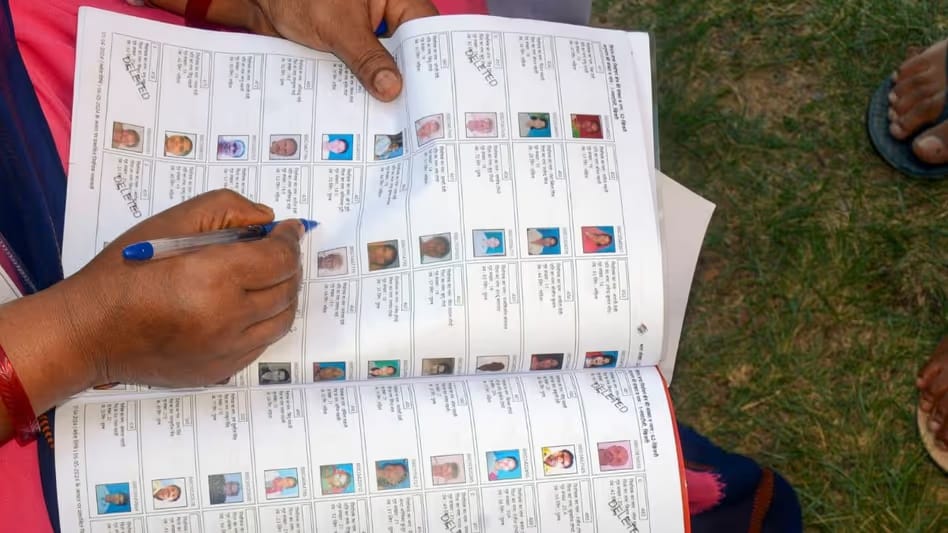
India is currently in the process of executing a major task on the identification of its native citizens through a revision in the electoral roll across the country, an exercise that is projected to have hiccups and significant demographic impacts.

The countrywide SIR (Special Intensive Revision) seeks in weeding out the unwanted elements – the unauthorized, illegal entrants to the country via dubious means – infiltration through porous international borders, refugees from ethnic conflicts and wars, illegal immigration, migrant labor, and asylum seekers – all rolled into one.

For a starter, the southern State of Kerala removed a massive 897,211 individuals from its electoral roll, in obviously the process of weeding out unidentified individuals living in the State without authorization.

The Election Commission of India published the final electoral roll for Kerala after the SIR exercise, minus the near nine lakh ‘non-native’ individuals, leaving the actual number of eligible voters in that State at 2,69,53,644 voters, as compared to 2,78,50,855 before the Special Intensive Revision began in October 2025.

In the revised list, male voters numbered 1,31,26,048, while female voters accounted for 1,38,27,319, and transgender voters at 277. The number of overseas voters in the updated roll is 2,23,558, while service voters stand at 54,110.

So, keeping in mind this huge exercise in deleting a chunk of ‘non-native’ electorates from the state’s electoral list, it then comes to the basic question on how Manipur State will fare in this Special Intensive Revision exercise.

For one thing, there are repeated allegations of the unauthorized entry of elements from two neighboring countries – Myanmar and Bangladesh – in all of these years, yet so far failing to do a similar exercise to weed out the undesired elements.

The porous international border with neighboring Myanmar has always been the cited reason for the clandestine entry of illegal immigrants, smugglers, drug runners, armed militants, and so forth. Besides that, the lack of a foolproof mechanism to check entries at Jiribam, Mao Gate and Moreh has also been a factor for the unchecked entry of ‘foreign’ elements into Manipur.

Civil society organizations based in the State have given the call for conducting the NRC (National Register of Citizenship) before proceeding with the SIR exercise in view of the allegations over unaccounted number of ‘non-native’ individuals living in the State without valid documents.

Some time back, too, there was uproar over unreasonable increase in electorates within the Paomata circle in the northern uplands by almost over one hundred thousand individuals, beyond reasons unfathomable.

In the midst of these developments, Union home minister Amit Shah had announced in Guwahati the other day that all undesired elements from the North East region would be identified and kicked out.

This, of course, is better said than done. The northeastern states are well known for the controversies over large number of ‘infiltrators’ living and working in these states without valid reasons.

Assam and Arunachal Pradesh had issues with the Chakma refugees from Bangladesh. Manipur and Mizoram are infested with war refugees from neighboring Myanmar, plus the Rohingya refugees after genocide in that country, and added with the perpetual problem of the infiltration of drug runners and their henchmen.

The Centre had initiated process to fence the entire stretch of the international border shared by Myanmar with the Indian states of Arunachal Pradesh, Assam, Nagaland, Manipur, Mizoram and Tripura, but that again is facing hiccups following objections from the States on the controversial issue of the free movement regime (FMR).

For Manipur, the SIR exercise could be an issue based on the demographic imbalance created by large infiltration particularly from Myanmar, with equal concern on allegations of infiltration from Bangladesh.

The effectiveness of the Inner Line Permit (ILP) system had long been in doubt over reports that the modus operandi of ‘officials’ at the entry points, particularly for the land routes, was turning the operation into a money-minting process by issuing ILPs with fake Aadhar cards.

All said and done, given the reason of the recent ethnic conflicts in the State vis-à-vis the dominance of armed militants ruling the roost, it is probable that the SIR exercise is going to face a rough-shod experience with most likely ‘disturbances’ from the armed non-state actors with dubious objectives, as fairly demonstrated at Sinakeithel village on Monday earlier this week.

Kuki groups had said that they will have nothing doing with the Manipur Government unless their demand for ‘separate administration’ is fulfilled. Yet, with the Central Government flatly denying this, it is perhaps going to be a hurdle for the SIR exercise in the ‘Kuki-inhabited’ pockets within Churachandpur and Kangpokpi districts.

The issue is further complicated by the inclusion of the terminology ‘Any Kuki Tribes’ as was published in the Gazette of India Extraordinary on 8th January, 2003 (in serial No.33 after Poumai in serial 30, Tarao in serial 31 and Kharam in serial 32) recognizing scheduled tribes for the State, where the contention from various angles was that the terminology was vague and does not specify any known tribe(s) in the State as such.

Incidentally, no other Indian State had such vague naming of tribe or terminology in the Amendment to the Act of 2002, thereby creating room for doubt on manipulation to certain degree with none opposing the inclusion at that time.

This particular terminology was (re)inserted in the country’s The Scheduled Castes and Scheduled Tribes Orders (Amendment) Act, 2002 (Gazette of India No.10 of 2003) at a time when the Union Government amended the Act to accord official recognition to few more tribes as Scheduled Tribes of Manipur under the Indian Constitution, and further at a time when a prominent Kuki leader was a minister at the Centre.

The coincidence is reflective of manipulation where the terminology ‘Any Kuki Tribes’ did not feature in the earlier schedule. So, unless this terminology is erased from the scheduled tribes list for Manipur, it is going to make matters complicated at the time of the SIR exercise.

Who would be the ‘Any Kuki Tribes’, and on what basis with reference to the demography and known history of the State, and the population counts all through these years. It will be difficult to name any specific tribe as ‘Indigenous’ under this new nomenclature other than the known tribes already in the scheduled tribes list for the State prior to 2003.

Statistically, Manipur’s total population is seen as rising in every census count. Whereas, this increase is neither re-assessed for validation nor re-confirmed on ground, that is, ground truthing vis-à-vis the allegations of infiltration and establishment of unidentified new villages (some allegedly within Protected Areas such as Reserved Forests and Wildlife Sanctuaries).

In all, the call for NRC exercise prior to SIR exercise sounds reasonable to avoid complicacy in assessing the actual count of heads eligible to cast votes in the State, albeit proxy citizenship and possible forged documents to identify themselves as ‘Indigenous’.

The post SIR and the Indigenous Question in Manipur first appeared on The Frontier Manipur.

Read more / Original news source: https://thefrontiermanipur.com/sir-and-the-indigenous-question-in-manipur/

Loktak Fishers Strive to achieve GBF Targets

Champu Khangpok fishers turn global biodiversity goals into grassroots action at Loktak Lake. The fishing community makes it a point to organize important annual events highlighting environmental and ecological concerns, sensitizing locals on the objectives of the GBF targets with prioritization on the long-term conservation of the freshwater Loktak Lake and its biological diversity. By Salam […]

The post Loktak Fishers Strive to achieve GBF Targets first appeared on The Frontier Manipur.

Champu Khangpok fishers turn global biodiversity goals into grassroots action at Loktak Lake. The fishing community makes it a point to organize important annual events highlighting environmental and ecological concerns, sensitizing locals on the objectives of the GBF targets with prioritization on the long-term conservation of the freshwater Loktak Lake and its biological diversity.

By Salam Rajesh

In these past several recent years, the fishing community thriving upon the floating island village of Champu Khangpok within Loktak Ramsar site in India’s far flung northeastern State of Manipur had continuously been contributing their mite in achieving locally some of the goals outlined in the targets set under the Global Biodiversity Framework of the Convention on Biological Diversity (CBD).

The Global Biodiversity Framework (GBF) that came into force at the CBD Kunming-Montreal convention during 2022 end came up with several goals that primarily aimed at achieving targets addressing biodiversity loss and species decline worldwide.

Much of the CBD’s GBF Targets – 23 targets in all – predominantly focuses on incorporating the active participation of Indigenous Peoples and Local Communities (IPLCs) in achieving the set goals in both short and long terms.

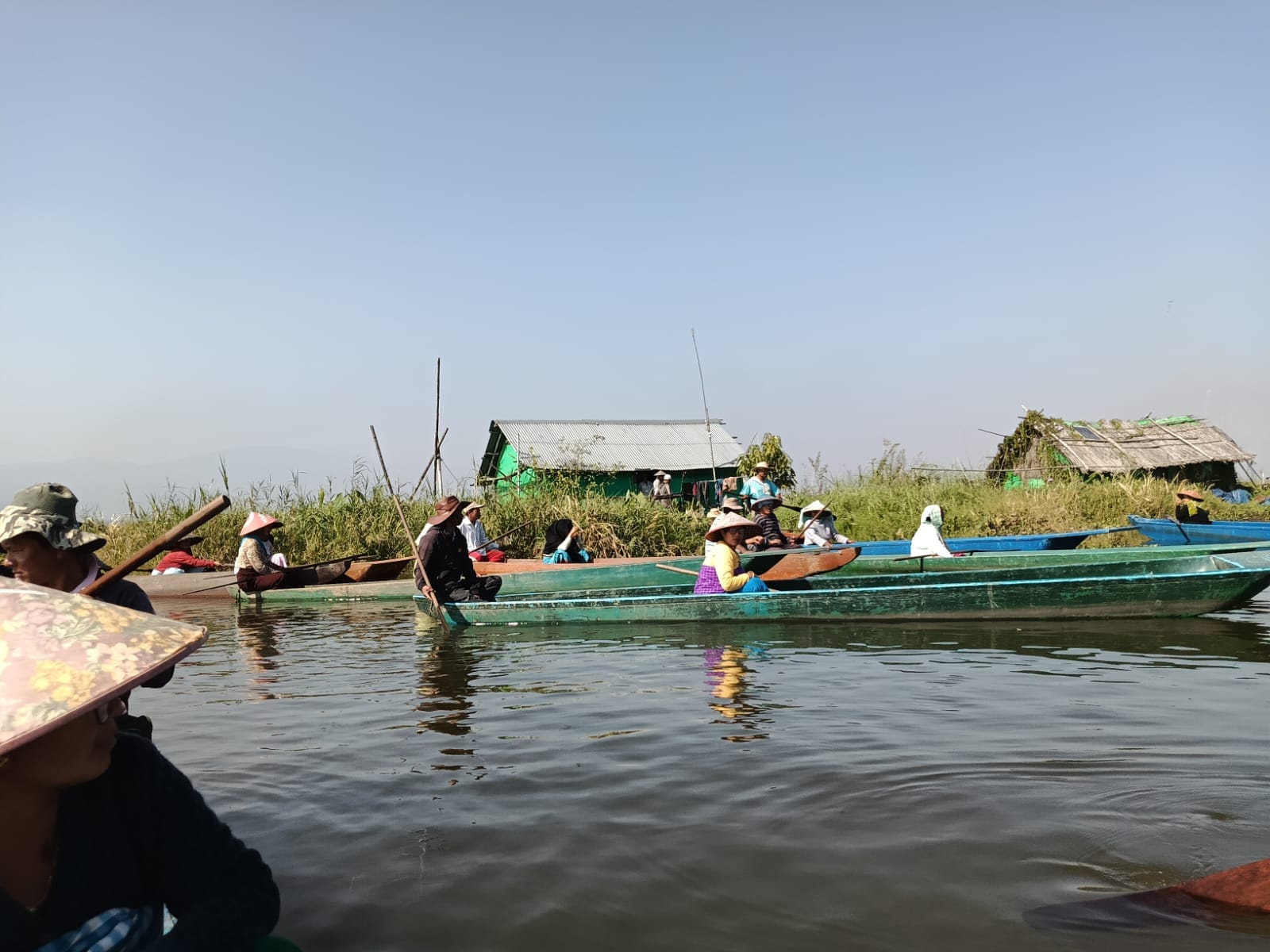
Fishers staging awareness drive in Loktak Lake.

Keeping this background in perspective, the fishing community of Champu Khangpok floating island village had since set themselves to task in contributing meaningfully towards achieving some of the aspects outlined in the CBD GBF targets in their own humble way, howsoever small their efforts might seem to be.

Champu Khangpok marked the observation of World Wetlands Day 2026 earlier this year with a cleanup drive within the lake and along the waterway of Yangoi Achouba (albeit Nambul River), prioritizing the fact that the lake had since become a dumping ground of urban wastes carried by the river along its flow through Imphal city, a fairly populated urbanized zone.

Champu Khangpok villagers also take upon themselves the task of regulating capture fishery to prevent species population decline within the lake and to restrict random capture of fingerlings during the spawning season, and in preventing unethical fishing methods using LED blubs at nighttime and electrocuting fish using batteries.

The fishing community makes it a point to organize important annual events highlighting environmental and ecological concerns, sensitizing locals on the objectives of the GBF targets with prioritization on the long term conservation of the freshwater Loktak Lake and its biological diversity.

Target 3 of the CBD’s GBF focuses on the conservation of 30 percent of the land, waters and the seas globally to protect life on land and in water. Within this target is an important element to recognize the Indigenous and traditional territories.

The Convention recognizes that ‘Indigenous peoples and local communities often own, occupy and manage areas with unique and significant biodiversity. The appropriate recognition of these areas, therefore, could make important contributions in achieving this target’.

This consideration comes with the perspective that the rights of the Indigenous peoples and local communities must be respected fully, including obtaining their free, prior and informed consent in all matters.

The Convention is convinced that the well-governed, effectively managed and representative protected areas, and other effective area-based conservation measures (OECMs), are a proven method for safeguarding both habitats and populations of species and for delivering important ecosystem services and multiple benefits to people.

The CBD has made it a valid point that ‘local people managed protected areas is a central element of biodiversity conservation strategies at the local, national and global levels’.

This consideration of IPLCs’ contribution in safeguarding biodiversity adds strength in achieving the GBF’s Target 4 which focuses on halting species extinction, protecting genetic diversity, and in managing human-wildlife conflicts.

Target 4 specifically ensures urgent management actions ‘to halt human induced extinction of known threatened species and for the recovery and conservation of species, in particular threatened species, and to significantly reduce extinction risk’.

The goal further is ‘to maintain and restore the genetic diversity within and between populations of native, wild and domesticated species to maintain their adaptive potential, including through in-situ and ex-situ conservation and sustainable management practices’.

In the same breadth, Target 6 of the GBF looks at addressing the menace of Invasive Alien Species (IAS) of plants and animals, seeking the reduction of the introduction of IAS by 50 percent globally within a time frame, and, thereto, minimize their impact on the localized biodiversity.

The objective of Target 6 is broadly outlined as: ‘Eliminate, minimize, reduce and or mitigate the impacts of invasive alien species on biodiversity and ecosystem services by identifying and managing pathways of the introduction of alien species, preventing the introduction and establishment of priority IAS, reducing the rates of introduction and establishment of other known or potential IAS by at least 50 percent, by 2030, eradicating or controlling IAS especially in priority sites, such as islands’.

This is one of the priority areas that the Loktak fishers have specifically focused upon in all of these years, highlighting time and again on the menace of aquatic plants, and fish, that are alien to the freshwater Loktak Lake and which are proving as nuisance plants, and fish, within the lake.

Another of the issues faced by the Loktak fishers is the level of pollution within the lake, accentuated by the pollutant loads and sewerage discharge from the urban areas. The Nambul River carries maximum pollutant loads from the urbanized Imphal city areas, a factor for high pollution level in the lake.

This issue is reflected in the GBF’s Target 7 which specifically focuses on reducing pollution to levels that are not harmful to biodiversity.

Target 7 specifies on ‘reducing pollution risks and the negative impact of pollution from all sources, by 2030, to levels that are not harmful to biodiversity and ecosystem functions and services, considering its cumulative effects’.

It further seeks in ‘reducing excess nutrients lost to the environment by at least half including through more efficient nutrient cycling and use; reducing the overall risk from pesticides and highly hazardous chemicals by at least half including through integrated pest management, based on science, taking into account food security and livelihoods; and also preventing, reducing, and working towards eliminating plastic’.

In a nutshell, achieving these targets might be a herculean task for the marginalized fishing community of Loktak Lake, whereas, the zeal to contribute their mite in the smallest possible ways is there for all to see, visible through their continuous activities in their own humble way.

This is where the state and central authorities can step in to aid the Loktak fishers in their march forward – a tiny step taken yet meaningful in saving, protecting and conserving one of India’s most significant inland freshwater lakes – and, that too, a Ramsar site of international importance.


The post Loktak Fishers Strive to achieve GBF Targets first appeared on The Frontier Manipur.

Read more / Original news source: https://thefrontiermanipur.com/loktak-fishers-strive-to-achieve-gbf-targets/

The Plague of Introduced Species

How cane toads, paragrass, carp and hyacinth became ecological disruptors in Australia and Manipur. By Salam Rajesh Earlier this month, Jennifer Geer writing for A-Z Animal.com, provided a descriptive narrative of how an imported and introduced toad species from Hawaii by the Australian Government ultimately became the proverbial Frankenstein in the making. In 1935, Queensland […]

The post The Plague of Introduced Species first appeared on The Frontier Manipur.

How cane toads, paragrass, carp and hyacinth became ecological disruptors in Australia and Manipur.

By Salam Rajesh

Earlier this month, Jennifer Geer writing for A-Z Animal.com, provided a descriptive narrative of how an imported and introduced toad species from Hawaii by the Australian Government ultimately became the proverbial Frankenstein in the making.

In 1935, Queensland in Australia faced a major crisis in its sugar cane crop production after a native beetle species, Greyback Cane Beetle (Dermolepida albohirtum), commenced wreaking havoc on the sugarcane plants.

The beetle larvae lived in the soil and chewed on sugarcane roots, stunting growth or killing the plants. This incurred major economic losses for the sugarcane farmers. There was a need to find a solution fast enough to prevent further losses.

Seeking a natural solution to kill the grubs, the Australian government imported Cane Toads (Rhinella marina) from Hawaii, with the hope that the toads would eat the grubs and save the sugarcane.

Unfortunately enough, as history proved, the worst-case scenario occurred. The toads did not keep the beetle populations in check. Instead, they became one of Australia’s most destructive (alien) invasive species and an ecological disaster, writes Geer. Today, the toads are considered invasive species in Australia, the Caribbean Islands, Hawaii, and Florida.

Cane Toad.

In August 1935, the BSES (Queensland Bureau of Sugar Experiment Stations) released 2400 cane toads into sugarcane plantations in Gordonvale, North Queensland. By 1950, the Australian government declared the cane toad an invasive predator.

Dangers from the toads included poisoning animals that prey on them, outcompeting native species for resources, and their voracious appetites. Geer writes that 75 species of Australian crocodiles, lizards, and freshwater turtles were threatened by the toads.

Some of the animals that are in danger of dying after they eat a cane toad include the Australian monitor lizards, quolls, tiger snakes, and freshwater crocodiles. Many of these animals are designated as threatened species in the country.

This story fairly well finds reflection in India, too, with stories of introduced species ultimately becoming monsters in disguise. Like most States in the country, Manipur too is not an exception to such stories of disasters.

In the mid 1970s, the State’s veterinary department reportedly introduced Paragrass (Brachiaria mutica) as fodder for milch cows that, too, were imported from Haryana. It was reported that the cows were housed in a mechanized cattle farm in the Iroishemba area in Imphal West District.

The remains of the feed, that is, the undigested or the uneaten parts of the paragrass soon found their way to the riverbank of Nambul River via its feeder rivulets, either as cow excreta or intentionally dumped as waste. Today, paragrass is one of the major nuisance semi-aquatic plants in most water bodies within the Manipur River basin.

Paragrass (Napi tujombi in the vernacular) is a major headache for Loktak Lake (a Ramsar site) managers as this fast spreading grass had virtually spread its tentacles across the peripheral shoreline, crowded over the floating biomass Phumdi, and literally had become the major reason for depletion of native plants, in particular the edible aquatic, semi-aquatic and semi-terrestrial species of food and medicinal values.

Paragrass in Loktak wetland.

The story of the notorious cane toads of Australia indeed finds a parallel with the notorious paragrass in Manipur, well defined amongst the floating biomass of Loktak Lake. The one is a story of an animal (an amphibian) and the other is of a plant (a grass). Amazing comparison at the best!

It may be recalled here that Target 6 of the Global Biodiversity Framework (GBF) of the Convention on Biological Diversity (CBD) re-emphasizes the elimination, minimization, reduction or the mitigation of impacts of Invasive Alien Species (IAS) of plants and animals on the biodiversity and ecosystems across the seven continents.

The GBF’s Target 6 specifically seeks the prevention of the introduction and establishment of priority invasive alien species, reducing the rates of introduction and establishment of other known, or potential, IAS plants and animals by at least 50 percent by the target year 2030.

For the Asia and the Pacific CBD Regional Group, 37 member countries including India have set at least one national target to be achieved by year 2030.

On this end, the National Biodiversity Authority of India (NBA) in 2022 had framed lists of invasive alien species of plants and animals under its Inland Invasive Alien Species of Fishes of India that are of priority for control, reduction and elimination throughout the country by year 2030.

Top on the list of the Inland Invasive Alien Species of Fishes of India according to the NBA is one of the commonest cultured fishes in the country, and in Manipur too, and that is, the Common Carp (Eurasian or European carp, Cyprinus carpio; Puklaobi in the vernacular).

The Common Carp was introduced in Manipur way back in 1964 according to fish expert Professor Waikhom Vishwanath. Interestingly, in India the fish was first introduced in Cuttack in 1939, and in Bangkok in 1957. The fish’s native range covers rivers in Europe and in Asia.

The fish Mozambique tilapia (Oreochromis mossambicus; Tunghanbi in the vernacular) a species originating from East Africa and introduced in India in 1952, finds itself second in the priority list of invasive alien species of fishes to be either controlled or eradicated entirely in India by the target year 2030.

Two very commonly seen aquatic plants in Manipur, namely, Pontederia crassipes (Eichhornia crassipes/Water hyacinth; Kabo-kang) and Alligator weed (Alternanthera philoxeroides; Kabo-napi) find themselves listed on the top of the priority IAS plants to be either controlled or eradicated completely by 2030.

The proliferation of Pontederia crassipes in large number across the water body of a wetland endangers it as excessive growth of the plant ‘inhibits the growth of fish and other aquatic organisms due to cut down of light and lack of oxygen’ according to experts.

In fact, at one point of time the plant was known as the ‘Terror of Bengal’ because of its rapid growth and domination across most water bodies in that State, rapidly affecting the fisheries and impacting rural economy drastically.

The Dehradun-based Wildlife Institute of India (WII) at one point of time had noted that ‘the gregarious growth of weeds like Brachiaria mutica and Alternanthera philoxeroides unless controlled, may pose a great threat to the biodiversity of the Keibul Lamjao National Park – habitat of the highly threatened Manipur Brow-antlered Deer’.

Defining Invasive Alien Species, Costello et al. (2022) says, “Alien species are organisms which are introduced to regions in which they would not be found naturally, as a result of unintentional or deliberate human action”.

“In the majority of cases, alien species are unable to survive in their new environment without human support. However, a small proportion will manage to adapt to their new surroundings and establish populations in the wild. Some of these alien species have negative impacts on the environment, for example predation or competition for resources with native animals or plants”.


The post The Plague of Introduced Species first appeared on The Frontier Manipur.

Read more / Original news source: https://thefrontiermanipur.com/the-plague-of-introduced-species/

Can Khemchand withstand the anger of Churachandpur?

Churachandpur has long been home to multiple identity groups—Kuki, Zo, Paite, Hmar—often spoken of as a single political bloc. During the peak of ethnic strife in Manipur, these groups projected a united front, speaking in one voice across platforms and asserting that they were inseparable, two sides of the same coin. That narrative, however, is […]

The post Can Khemchand withstand the anger of Churachandpur? first appeared on The Frontier Manipur.

Churachandpur has long been home to multiple identity groups—Kuki, Zo, Paite, Hmar—often spoken of as a single political bloc. During the peak of ethnic strife in Manipur, these groups projected a united front, speaking in one voice across platforms and asserting that they were inseparable, two sides of the same coin. That narrative, however, is now visibly unraveling.

By Leichombam Kullajit

Who, in reality, controls Churachandpur today? The question may sound awkward, even misplaced, considering that Manipur now has a newly sworn-in government led by Chief Minister Yumnam Khemchand Singh. Constitutionally and administratively, the answer should be obvious. Yet, the political atmosphere on the ground suggests a far more complicated reality.
Almost immediately after the swearing-in ceremony—alongside four cabinet colleagues, including former minister Nemcha Kipgen, now elevated to Deputy Chief Minister—waves of resentment began surfacing from sections of Churachandpur district and the wider Kangpokpi region. The anger, largely articulated by groups identifying themselves as Kuki-Zo, is rooted in their outright rejection of the new government. Their position is uncompromising: Kuki-Zo legislators, they insist, should not participate in governance unless the Centre grants their long-standing demand for a “separate administration” or a Union Territory with legislative powers.
If viewed in isolation, such demands could be framed as an attempt—however controversial—to find a political solution to the violence that erupted between the Meiteis and Kukis nearly three years ago. But a closer reading of statements and press releases issued by various organisations in Churachandpur reveals a deeper, more unsettling truth. The conflict, it appears, is no longer merely between communities; it is increasingly internal.
Churachandpur has long been home to multiple identity groups—Kuki, Zo, Paite, Hmar—often spoken of as a single political bloc. During the peak of ethnic strife in Manipur, these groups projected a united front, speaking in one voice across platforms and asserting that they were inseparable, two sides of the same coin. That narrative, however, is now visibly unraveling.
Today, these same groups stand openly opposed to one another, exposing fractures that had long existed beneath the surface. The question of “who controls what” has become central, and with it, the realization that these identities—once portrayed as indivisible—are fundamentally distinct, with competing interests that may never fully converge, regardless of power or circumstance.
This brings the focus squarely back to Chief Minister Yumnam Khemchand Singh. A senior BJP leader with years of political experience, he now faces a test that goes far beyond cabinet management or legislative coordination. The real challenge lies outside the assembly—posed by fractured groups, hardened narratives, and ambitious, often reckless, political actors operating at the margins.
Whether Khemchand can withstand these storms will depend on more than political survival. It will rest on his willingness to assert authority, draw clear lines between negotiation and lawlessness, and demonstrate that peace and normalcy are not slogans but enforceable goals. Accommodation and dialogue are essential—but so are limits.
Allowing unlawful activities to flourish in select pockets of the state risks undermining not only governance but the Chief Minister’s own credibility and judgment. This moment, therefore, is an acid test of leadership.
At the same time, those who speak in the language of defiance must also reckon with reality. History has shown that demands achieved through chaos and confrontation rarely endure. There are paths to negotiation, and there are consequences for pursuing goals that are neither feasible nor constitutional.
Manipur stands at a delicate crossroads. Whether it moves toward reconciliation or deeper fragmentation may well depend on how firmly—and wisely—its new Chief Minister navigates the anger of Churachandpur.

The post Can Khemchand withstand the anger of Churachandpur? first appeared on The Frontier Manipur.

Read more / Original news source: https://thefrontiermanipur.com/can-khemchand-withstand-the-anger-of-churachandpur/

President’s Rule Revoked in Manipur Ahead of New Government’s Swearing-in

In a gazette notification issued on Wednesday, the Union Ministry of Home Affairs announced that President Droupadi Murmu had revoked the proclamation under Article 356 of the Constitution with immediate effect. TFM Report President’s Rule has been revoked in Manipur nearly a year after it was imposed, clearing the way for the formation of a […]

The post President’s Rule Revoked in Manipur Ahead of New Government’s Swearing-in first appeared on The Frontier Manipur.

In a gazette notification issued on Wednesday, the Union Ministry of Home Affairs announced that President Droupadi Murmu had revoked the proclamation under Article 356 of the Constitution with immediate effect.
TFM Report
President’s Rule has been revoked in Manipur nearly a year after it was imposed, clearing the way for the formation of a new BJP-led National Democratic Alliance (NDA) government in the state. The revocation came just hours ahead of the oath-taking ceremony of the new council of ministers scheduled for Wednesday evening.
In a gazette notification issued on Wednesday, the Union Ministry of Home Affairs announced that President Droupadi Murmu had revoked the proclamation under Article 356 of the Constitution with immediate effect.
“In exercise of the powers conferred by clause (2) of Article 356 of the Constitution, I, Droupadi Murmu, President of India, hereby revoke the Proclamation issued by me under the said article on the 13th day of February, 2025, in relation to the State of Manipur with effect from the 4th day of February, 2026,” the order said.
President’s Rule was imposed on February 13, 2025, following the resignation of then Chief Minister N Biren Singh. During this period, the Manipur Legislative Assembly remained in suspended animation — neither functioning nor dissolved.
The political crisis had deepened earlier when the Conrad Sangma-led National People’s Party (NPP) withdrew support from the Biren Singh government in November 2024. Biren resigned on February 9, 2025, after meeting Union Home Minister Amit Shah and BJP national president J P Nadda, paving the way for central rule.
NDA legislature party leader Yumnam Khemchand Singh will be sworn in as the new Chief Minister of Manipur at 6 pm on Tuesday at Lok Bhavan. The Manipur BJP confirmed the development in a post on X.
Khemchand Singh belongs to the Meitei community. Nemcha Kipgen from the Kuki community and Losii Dikho from the Naga community will take oath as Deputy Chief Ministers.
Ahead of the ceremony, an NDA delegation led by Khemchand Singh met Governor Ajay Kumar Bhalla at Lok Bhavan to stake claim to form the government. The delegation included two MLAs from the Kuki-Zo majority districts of Churachandpur and Pherzawl.
Manipur has been grappling with ethnic violence between the Meitei and Kuki-Zo communities since May 2023, a conflict that has claimed more than 200 lives. The state was previously governed by a BJP-led administration.

The post President’s Rule Revoked in Manipur Ahead of New Government’s Swearing-in first appeared on The Frontier Manipur.

Read more / Original news source: https://thefrontiermanipur.com/presidents-rule-revoked-in-manipur-ahead-of-new-governments-swearing-in/

Stolen years of Manipur’s history ?

Today, Manipur stands fractured. What is often described as “ethnic violence” between Meiteis and Kukis has stretched into its third year, with no clear end in sight. Highways remain blockaded, normal life is suspended, and an entire generation of young people is growing up amid fear, displacement, and uncertainty. By Leichombam Kullajit Manipur’s present tragedy […]

The post Stolen years of Manipur’s history ? first appeared on The Frontier Manipur.

Today, Manipur stands fractured. What is often described as “ethnic violence” between Meiteis and Kukis has stretched into its third year, with no clear end in sight. Highways remain blockaded, normal life is suspended, and an entire generation of young people is growing up amid fear, displacement, and uncertainty.

By Leichombam Kullajit

Manipur’s present tragedy is not merely a clash of communities; it is the cumulative outcome of years of political manipulation, calculated neglect, and strategic opportunism. What is unfolding today is not an accident of history, but the consequence of choices long made and quietly sustained.
The Government of India is well aware that a significant portion of the Kuki population in Manipur traces its origins to cross-border migration from Myanmar, facilitated by the porous and forested frontiers of Mizoram and Manipur. It is also aware of the harsh realities many of these migrants face—precarious living conditions, economic marginalisation, and the pervasive influence of criminal networks, including drug trafficking, in the region across the eastern border.
Yet, instead of addressing these vulnerabilities through meaningful development, rehabilitation, and integration, the Indian state chose a different path. It identified grievance as an instrument and despair as a resource. These marginalised communities were not uplifted; they were used—deployed as strategic proxies in the state’s long-standing effort to counter insurgencies it perceived as existential threats, particularly those involving Meitei and Naga movements in the northeastern subcontinent.


This reality is not lost on the Kukis themselves. They understand the nature of their exploitation and the unspoken bargain it entailed: compliance in exchange for recognition, protection, and the distant promise of political accommodation. It is within this context that the Suspension of Operations (SoO) agreement of 2008 must be understood.
Many continue to ask how nearly 25 armed Kuki militant organisations—fragmented along clan lines—could suddenly emerge under the banner of defending the Indian Constitution. Unlike Meitei or Naga insurgent groups, which evolved over decades in open defiance of the Indian state, these organisations appeared abruptly, accepted constitutional legitimacy, and entered into SoO arrangements with remarkable ease. Prior to the 1990s, there were no consolidated Kuki militant platforms such as the KNO or UPF, nor were there articulated political demands of comparable scale. This raises an unavoidable question: on what basis did the Indian Army negotiate a Suspension of Operations with groups that posed no direct challenge to the territorial integrity of the country?
The answer, many believe, lies in a strategic calculation. For New Delhi, the principal obstacle was never the Kukis or their armed groups—it was the entrenched political aspirations of the Meiteis and the Nagas. In that equation, the Kukis became a convenient counterweight.
Today, Manipur stands fractured. What is often described as “ethnic violence” between Meiteis and Kukis has stretched into its third year, with no clear end in sight. Highways remain blockaded, normal life is suspended, and an entire generation of young people is growing up amid fear, displacement, and uncertainty. Under these circumstances, it is reasonable to ask whether the crisis has been allowed—perhaps even engineered—to linger, quietly stealing the future of Manipur’s youth and erasing irreplaceable chapters of its history.
Political games may succeed for a time, but they cannot endure indefinitely. If the Government of India genuinely seeks peace, stability, and justice in Manipur, it must abandon short-term tactical thinking and confront the deeper causes of the conflict it helped shape. Otherwise, the burden of this unresolved crisis will not only continue to devastate Manipur—it will return, heavier and more complex, to the very state that once believed it could control the outcome.

( Leichombam Kullajit is a senior jounalist based in Imphal.)

The post Stolen years of Manipur’s history ? first appeared on The Frontier Manipur.

Read more / Original news source: https://thefrontiermanipur.com/stolen-years-of-manipurs-history/

Tension prevails in Manipur; Govt suspends mobile data services after reports of arson, clashes

In an effort to thwart the “design and activities of anti-national and anti-social elements and to maintain peace”, the government decided to suspend mobile data services in the state TFM Report Parts of Manipur, particularly in Churachandpur and Bishnupur districts witnessed palpable tension following a ‘Tribal Solidarity Rally’ called by All Tribal Student’s Union Manipur […]

The post Tension prevails in Manipur; Govt suspends mobile data services after reports of arson, clashes first appeared on The Frontier Manipur.

In an effort to thwart the “design and activities of anti-national and anti-social elements and to maintain peace”, the government decided to suspend mobile data services in the state

TFM Report

Parts of Manipur, particularly in Churachandpur and Bishnupur districts witnessed palpable tension following a ‘Tribal Solidarity Rally’ called by All Tribal Student’s Union Manipur (ATSUM) in all hill districts of the state. There were reports of violence and clashes between volunteers of different communities. Following the volatile situation, the government of Manipur has  decided to suspend mobile data services in the state.  All mobile service providers are hereby directed to ensure compliance of this order.

An order issued by Commissioner (Home), the Director General of Police, Manipur vide letter No.IC/11(163)/2008-PHQ(Pt)/01422 dated 03-05-2023 reported that, All Tribal Student’s Union Manipur (ATSUM) organized a rally in all hill districts on 03-05-2023 with total shutdown in all hill districts from 6 AM to 4 PM in protest against the demand for inclusion of Meitei/Meetei in Scheduled Tribe (ST) category. During this rally and total shutdown there are reports on incidents like fighting amongst volunteers/youths of different communities and situation is tense and volatile in the districts of Bishnupur and Churachandpur, said the order.

The government order said that some anti-social elements are using social media extensively for transmission of images, hate speech and hate video messages inciting the passions of the public. The social media has also become a handy tool for rumor mongers and is being used to incite general public which might have serious repercussions for the law and order situation in
the State of Manipur.

The state government said that there is an imminent danger of loss of life and/or damage to public/private property, and wide spread disturbances to public tranquillity and communal harmony, as a result of inflammatory material and false rumours, which are being/could be transmitted/circulated to the public through social media/messaging services on mobile services, SMS services and dongle services. In an effort to thwart the “design and activities of anti-national and anti-social elements and to maintain peace and communal harmony and to prevent any loss of life or danger to public/private property, the order said that “it has become necessary to take adequate measures to maintain law and order in public interest, by stopping the spread of disinformation and false rumours, through various social media platform such as Whatsapp, Facebook, Instagram, Twitter etc. on mobile phone and SMS, for facilitating and/or mobilization of mobs of agitators and demonstrators, which can cause loss of life and/or damage to public/private property by indulging in arson/vandalism and other types of violent activities”.

Invoking powers conferred under Rule 2 of Temporary Suspension of Telecom Services (Public Emergency or Public Safety) Rules, 2017, “having satisfied that the above situation is likely to cause serious disturbances to the entire peaceful co-existence of the communities and maintenance of public order”, the state government has ordered the suspension/curbing of mobile data services in the territorial jurisdiction of the State of Manipur. All Mobile Service providers have been directed to ensure compliance of this order which will be in force for the next 5(five) days. Any person found guilty for violation of aforesaid orders will be liable for legal action, said the order.

The post Tension prevails in Manipur; Govt suspends mobile data services after reports of arson, clashes first appeared on The Frontier Manipur.

Read more / Original news source: https://thefrontiermanipur.com/tension-prevails-in-manipur-govt-suspends-mobile-data-services-after-reports-of-arson-clashes/

Tribal Solidarity March held in Ukhrul

Organised by Tangkhul Katamnao Saklong (TKS) under the aegis of All Tribal Students Union Manipur (ATSUM), the rally kickstarted from Gandhi Chowk and wind up at Mini Secretariat Complex Ukhrul. The rally was also participated by representatives from KSO-Ukhrul. TFM Ukhrul Correspondent Tribal Solidarity March under the theme “Come Now Let Us Reason Together” was […]

The post Tribal Solidarity March held in Ukhrul first appeared on The Frontier Manipur.

Organised by Tangkhul Katamnao Saklong (TKS) under the aegis of All Tribal Students Union Manipur (ATSUM), the rally kickstarted from Gandhi Chowk and wind up at Mini Secretariat Complex Ukhrul. The rally was also participated by representatives from KSO-Ukhrul.

TFM Ukhrul Correspondent

Tribal Solidarity March under the theme “Come Now Let Us Reason Together” was held on Wednesday at the Ukhrul District Headquarters.

Organised by Tangkhul Katamnao Saklong (TKS) under the aegis of All Tribal Students Union Manipur (ATSUM), the rally kickstarted from Gandhi Chowk and wind up at Mini Secretariat Complex Ukhrul. The rally was also participated by representatives from KSO-Ukhrul. Those who participated in the rally submitted a memorandum addressed to the President of India through the Deputy Commissioner of Ukhrul.

The memorandum stated that “in the event of the demand for inclusion of Meitei/Meetei community in the ST category gaining momentum with most of the Legislators from the valley including the Hon’ble MP (Rakya Sabha) openly declaring their support without taking into account of the irrationality of the demand and sentiments of the tribal community of the State, the Tangkhul tribe Student’s Union is constrained to submit this representation as a reminder for utmost perusal and intervention as the future of the tribal communities looks bleak and uncertain.”

The memorandum also mentioned that “the Hills, constituting more than 90% of the total geographical areas and about 41% of the total population, have been subjugated, marginalized and deprived by the State Government dominated by the majority valley community for decades. The Industrial Unit Index and Infrastructural Unit Index clearly revealed that the tribals of Manipur have been under extreme form of subjugation and domination in their own land. As such, granting of ST status to the Meitei/Meetei community, who have already enjoyed all the benefits of modern amenities, will further annihilate the minority tribal communities who will ultimately be rendered landless in their own homeland since the Meitei/Meetei community will be free to snatched the lands and grabbed the 31% reservation allocated for the tribals”.

“Moreover, the tribal communities genuinely feel that a separate political system with full autonomy will be the only way out if we are to protect the weak amd marginalized tribal community from the onslaught of the dominant Meitei/Meetei community. Therefore, in the light of the above facts and circumstances, the tribal people of the state called upon your honourable self to help prevent the inclusion of Meitei/Meetei as Scheduled Tribe in the constitution of India. The recognition of Meitei/Meetei as Scheduled Tribe will not only sound a dead knell to the constitution protection of hill tribal communities in the country. It will also be a contempt to the democratic principles of justice amd equality, the foundation on which this great country is built upon. As such, this illogical and illegitimate demand should be prevented at all cost.”, said the memorandum.

It also stated that “it is well known fact that the Meitei/Meetei community, a majority in the state of Manipur categorised as General, Scheduled Caste amd Other Backward Classes is excelling and commanding in all aspects of life. Besides government jobs, their districts are far ahead of other districts in the while Northeast India. According to the table provided, the Infrastructural Development Index of Districts of Manipur (2009), the valley districts namely Imphal West has a CDI Value of 328.96, Imphal East has 245.00, Thoubal has 189.70 and Bishnupur has 151.73. In the hill districts, Senapati has 114.00 CDI Value, Ukhrul has 83.00, Tamenglong has 73.69, Churachandpur has 73.13 and Chandel has 70.49. According to number of Registered Industrila Units, Investment and Production (2005-06), the hill districts has 27 number of Units (SIDO + Non-SIDO) whereas valley districts have 86. Investment in P&M in the hill districts amounts to Rs. 34.19 Lakh as compared to Rs. 154.61 Lakh in the valley districts. Value of production in the hill districts is recorded at Rs. 39.61 and in the valley districts at Rs. 553.65 Lakh.”

The memorandum was jointly signed by Tangkhul Katamnao Saklong (Apex body of Tangkhul Student’s Organisations), Zingtun Tangkhul Katamnao Long (West), Zingsho Katamnao Long (East), Raphei Katamnao Long (North), Tangkhul Aze Katamnao Long (South) and Sagolmang Area Naga Student’s Association.

The rally was participated by Tangkhul Naga Long, Tangkhul Naga Wungnao Long, Tangkhul Shanao Long and Tangkhul Mayar Ngala Long. The Tangkhul Frontal Organisations expressed their full support on the ongoing movement headed hy ATSUM and TKS.

The post Tribal Solidarity March held in Ukhrul first appeared on The Frontier Manipur.

Read more / Original news source: https://thefrontiermanipur.com/tribal-solidarity-march-held-in-ukhrul/

Understanding The Metrics of Heat Waves in South Asia

The prolonged exposure to high temperatures and wet bulb conditions can lead to high risks of heat stroke and a range of physiological impacts. 90 deaths were reported in 2022 due to extreme heat stress.   By Salam Rajesh Climate change has made devastating heat wave impact early in India and Pakistan this year, with […]

The post Understanding The Metrics of Heat Waves in South Asia first appeared on The Frontier Manipur.

The prolonged exposure to high temperatures and wet bulb conditions can lead to high risks of heat stroke and a range of physiological impacts. 90 deaths were reported in 2022 due to extreme heat stress.


By Salam Rajesh

Climate change has made devastating heat wave impact early in India and Pakistan this year, with Pakistan experiencing 30 times more intensity than India, says Dr Friederike Otto of the World Weather Attribution, adding that climate change is likely to increase extreme monsoon rainfall, flooding highly vulnerable communities in Pakistan.

Dr Otto (Senior Lecturer, Grantham Institute for Climate Change and Environment & Co-Founder, World Weather Attribution) was speaking on the topic ‘Understanding Attribution Science: Human induced Climate Change and Heatwaves’ as part of the proceeding of a National Workshop on Heatwaves, Climate Change and its Impacts on Health, Economy and Energy Policies in India at Bengaluru on the 27th of last month, courtesy of Bangalore-based climate strategist group Climate Trends.

Dr Otto’s observation reflects closely to the World Meteorological Organization (WMO)’s warning of a likely spike in temperatures globally this summer, as prelude to the projected El Nino event this year. The year 2015-2016 was recorded as the hottest year in recent history, and this was primarily driven by an El Nino event according to reports. 1500 deaths were reported in the coastal plains of Odisha during 2015 from the intense heat wave that year.

In March, the India Meteorological Department (IMD) had predicted normal monsoon this year but forewarned that an El Nino event can affect the monsoon. Forecasting a 75 percent chance of El Nino in India, the IMD said it could weaken the southwest monsoon and may lead to severe heat waves and droughts in the country – a forewarning that could wreak havoc with the agricultural system in the country, and with a possible backlash on the rural economy.

The forecast for the year has disturbing news for the country wherein compound events of heat waves, cyclones and floods can overlap one another and can cause extensive damages to crops and properties, asserts scientist Dr Roxy Mathew Koll of the Indian Institute of Tropical Meteorology, Pune. Dr Koll was speaking on the subject ‘The dominance of Climate Change on global circulations and its impact on heatwaves and marine heatwaves’.

Bangalore-based climate strategist group Climate Trends stated that “By February-April 2023, most models indicate the return of ENSO-neutral, with a probability of 82%. What is more concerning is the arrival of the dreaded phenomena of El Nino. Climate models are predicting potential return to El Niño by May-July, which coincides with summer monsoon that spans from June to September”.

“During a La Niña, the tropical Pacific soaks up heat like a sponge and builds up the warm water volume. This is the warm water that spills across from the western Pacific to the eastern Pacific during an El Niño. Three consecutive years of La Niña means that the warm water volume is fully loaded and it is likely that the system is ready to give birth to an El Niño. Will it be a strong El Niño like the one during 2015-16? We may get some indications in spring itself,” explains Dr Raghu Murtugudde, Visiting Professor, Earth System Scientist at IITB (Indian Institute of Technology, Bombay) and Emeritus Professor at University of Maryland.

“As for the monsoon itself, if an El Niño state does emerge by summer, then we are more than likely to see a deficit monsoon. A transition from a La Niña winter (which we are in now) to a summer El Niño state tends to produce the largest deficit in the monsoon – of the order of 15%. This implies that the pre-monsoon and monsoon circulations tend to be weaker”. Dr Raghu was speaking on the thematic topic ‘Understanding the variation in weather patterns and the need for early warning systems’.

Kunal Satyarthi (Joint Secretary, National Disaster Management Agency) speaking on the topic ‘The hurdles in building adaptive capacity: A status check on planning and implementation of heat action plans’, stressed on the triple risks of climate hazard, vulnerability and exposure that can cause extensive damage and loss across the different sectors, with the marginalized sections of society more likely to be impacted by the risks involved.

Dr Luke Parsons (Postdoctoral Associate, Duke University) speaking on the subjective matter, ‘Rising wet-bulb temperatures and labour impact’, stressed that as per the Wet Bulb Globe Temperature (WBGT) model, the International Organization for Standardization (ISO 7243) emphasizes that during temperatures reaching above 26 degree Celsius workers are advised to take half hour rest from their heavy work duty.

In case of temperatures reaching above 32-33 degree Celsius the ISO recommends all heavy works should stop. The WBGT model is used in military, occupational health, and athletic events, Dr Luke explains while stating that the model includes temperature, humidity, wind speed, and sun exposure.

The average highest Wet Bulb Globe Temperature for South Asia during 2002 to 2021 was experienced in the north-western parts and the northern plains of India, Pakistan and in Bangladesh, observed Dr Luke, with temperatures reaching 34 degree Celsius and above.

Calculating on the WBGT model, an estimation of the productivity loss across the world reveals a massive global total loss of around 220 billion hours per year, says Dr Luke. Calculating the estimate total labour hours lost per year for different countries, India loses 101 hours per year – almost equivalent to the loss of around 23 million jobs.

Following India is China with 21 hours, Bangladesh with 14, Pakistan with 13, Indonesia with 10, Sudan and Viet Nam with 7, Nigeria and Thailand with 6, and Philippines with 5 hours of labour lost per year respectively.

On this footnote, Climate Trends noted that, “While 2022 set a record with 200 heatwave days in India with some of the hottest months since 1901 and impacting nearly 70% of the country, spring went missing in 2023 as well. February this year was declared the hottest in the last 123 years, the first ever since 1901. March saw heatwave in isolated pockets but April began on a hotter note, with mercury rising every day. State-run India Meteorological Department (IMD) already predicted an increased probability of heatwaves during April and May”.

This comes with a fair indication that unless Heat Action Plans for every States are formulated well in time, things may go from bad to worse. “In a country like India, which is densely populated, the extreme heat hits the poor the hardest who are working as urban or rural labour without access to cooling. The prolonged exposure to high temperatures and wet bulb conditions can lead to high risks of heat stroke and a range of physiological impacts. 90 deaths were reported in 2022 due to extreme heat stress”, forewarns Climate Trends experts.

(The writer looks at environmental stories through the journalistic lens. He can be reached at salamrajesh@rediffmail.com)

The post Understanding The Metrics of Heat Waves in South Asia first appeared on The Frontier Manipur.

Read more / Original news source: https://thefrontiermanipur.com/understanding-the-metrics-of-heat-waves-in-south-asia/

Suspended NIA SP, Inspector extorted huge money by threatening to implicate in false cases in Manipur: FIR

Dy, SP (Admin) NIA, HQ, New Delhi Sudhanshu Shekhar Shukla lodged a complaint with Central Bureau of Investigation for further investigation as NIA enquiry has revealed the possibility of threatening other people/witnesses and extorting a huge amount of money from them TFM Report NIA SP Sh Vishal Garg, who was suspended for bribery in Manipur, […]

The post Suspended NIA SP, Inspector extorted huge money by threatening to implicate in false cases in Manipur: FIR first appeared on The Frontier Manipur.

Dy, SP (Admin) NIA, HQ, New Delhi Sudhanshu Shekhar Shukla lodged a complaint with Central Bureau of Investigation for further investigation as NIA enquiry has revealed the possibility of threatening other people/witnesses and extorting a huge amount of money from them

TFM Report

NIA SP Sh Vishal Garg, who was suspended for bribery in Manipur, had extorted Rs 60 lakh from three persons between May and August 2022, when he was posted in NIA Imphal, by threatening them for falsely implicating them in terror funding cases.

Dy, SP (Admin) NIA, HQ, New Delhi Sudhanshu Shekhar Shukla lodged a complaint with Central Bureau of Investigation for further investigation as NIA enquiry has revealed the possibility of threatening other people/witnesses and extorting a huge amount of money from them.

The Dy SP(Admin) NIA also named NIA inspector Imphal Rajib Khan as accused in his complaint to K Siva Subramani, IPS, SP CBI. AC-II, New Delhi. Following the complaint, the CBI registered an FIR, a copy of which is with The Frontier Manipur, against Sh Vishal Garg, the then SP NIA, Imphal, and Md Rajib Khan, Inspector NIA Imphal, on April 26, 2023.

READ FIR COPY HERE: NIA NIA FIR FIR

They were booked under IPC Section 120-B (criminal conspiracy) and 388 (extortion) and sections 7 and 7a of the Prevention of Corruption Act. They were suspected of Criminal Conspiracy, Obtaining undue advantage, Extortion by threat of accusation of an offence, taking undue advantage to influence public servants by corrupt or illegal means or by exercise of personal influence (Other).

NIA internal enquiry findings

In his complaint, Shukla stated that Information was received from sources that Sh Vishal Garg, the then SP, NIA Branch Office, Imphal, along with Rajib Khan, Inspector, NIA Imphal, was collecting huge amounts of money from residents of the State of Manipur through cut-outs, by threatening them for falsely implicating in NIA Cases After receiving the said information, an internal enquiry was conducted against Sh. Vishal Garg, and Md Rajib Khan.

Shukla said enquiry has revealed that NIA had registered a case vide RC No 08/22/NIA/DLI dated 09.03.2022 with the allegation that the active cadres of terrorist organizations, including but not limited to Kangleipak Communist Party (KCP), United Liberation Front (UNLF) and People’s Revolutionary Party of Kangleipak (PREPAK), all proscribed under UAPA are raising funds in the State of Manipur, in furtherance of their terror activities. The said case was assigned to Sh Tushar Bishat, Inspector/Chief Investigating Officer, NIA Imphal for investigation,

The enquiry further revealed that Sh Vishal Garg, being SP, NIA Imphal Branch was the Head of the Branch and the First Supervisory Officer in NIA RC No. 08/22/NIA/DLI. On the directions of Sh Vashal Garg, Md. Rajib Khan was assisting in the investigation of the said case, he added.

Shukla further said the enquiry has revealed a clear modus operandi of the accused officers wherein certain businessmen/professionals were called for examination, mostly without legal notices. They were threatened with false implications in the NIA case, in the presence of Sh Vishal Garg,. Thereafter, Md Rajib Khan, Inspector would offer help to them in lieu of money. The amount to be paid would be negotiated and payment, in cash, would be received by Md Rajib Khan and thereafter, the matter would be closed.

The enquiry has revealed that using the above modus operandi, Md. Rajib Khan had collected Rs 10 lakh (cash) from Sh Inaocha Takhellambam @Naoba S/o Late Thambalngou, Rs 20 lakh (cash) from Sh N Momon Singh S/o Late Moirangningthou and Rs 30 lakh (cash) from Sh Laishram Hemanta Singh S/o Laishram Modhumangol Singh, all residents of Imphal, during the period from May to August 2022, at the instance of Sh Vishal Garg, he added.

As enquiry has also revealed the possibility of threatening other people/witnesses and extorting huge amounts of money from them, this aspect needs to be also investigated, said the Dy SP(Admin) NIA in his complaint to the CBI.

Urging the CBI to take up needful action, Sukla said the internal enquiry has revealed the indulgence of Sh. Vishal Garg and Md Rajib Khan in corruption and criminal practices.

The CBI SP directed Inspector (AC-II Delhi) Ravi Shankar Kumar to take over the investigation.

Vishal Garg was shifted from Manipur just three months ago in January this year. His successor took over the charge on January 28, 2023. This is the second time that Garg was placed under suspension on charges of corruption. In 2019, Garg, along with two other NIA officials, was placed under suspension for allegedly demanding Rs 2 crore from a Delhi-based businessman for not naming him in a terrorism funding case involving Mumbai attack mastermind Hafiz Saeed.

The post Suspended NIA SP, Inspector extorted huge money by threatening to implicate in false cases in Manipur: FIR first appeared on The Frontier Manipur.

Read more / Original news source: https://thefrontiermanipur.com/suspended-nia-sp-inspector-extorted-huge-money-by-threatening-to-implicate-in-false-cases-in-manipur-fir/