‘Dillenia nagalim’: New plant species discovered in Manipur named after Naga homeland

Guwahati: A team of researchers has discovered a new plant species in Manipur’s Kamjong district, naming it Dillenia nagalim in a nod to the land of the Naga tribes where it was found. The species was documented by Sochanngam Kashung, Urikkhimbam Lei…

Dillenia nagalim discovered in Manipur

Dillenia nagalim discovered in Manipur

Guwahati: A team of researchers has discovered a new plant species in Manipur’s Kamjong district, naming it Dillenia nagalim in a nod to the land of the Naga tribes where it was found. The species was documented by Sochanngam Kashung, Urikkhimbam Leishilembi, Kholi Kaini, Rachel Sochui Maheo, Tilling Rupa, Gladyso Kashung, Kerene Gangmei, Kreni Lokho, […]

The post ‘Dillenia nagalim’: New plant species discovered in Manipur named after Naga homeland appeared first on NorthEast Now.

Read more / Original news source: https://nenow.in/north-east-news/manipur/a-new-plant-species-dillenia-nagalim-discovered-in-manipur-named-after-naga-homeland.html

India Commits to Stronger Climate Action with NDC 3.0

India reinforces global climate stance with calibrated targets aligned to Viksit Bharat 2047 vision. Cabinet clears updated climate commitments aiming 60% non-fossil power capacity and expanded carbon sinks by 2035. New framework balances development needs with decarbonisation amid West Asia conflict and energy security concerns By Salam Rajesh The Government of India recently took a […]

The post India Commits to Stronger Climate Action with NDC 3.0 first appeared on The Frontier Manipur.

India reinforces global climate stance with calibrated targets aligned to Viksit Bharat 2047 vision. Cabinet clears updated climate commitments aiming 60% non-fossil power capacity and expanded carbon sinks by 2035. New framework balances development needs with decarbonisation amid West Asia conflict and energy security concerns

By Salam Rajesh

The Government of India recently took a significant step forward in its climate commitments with the Cabinet, chaired by Prime Minister Narendra Modi, approving the country’s updated Nationally Determined Contributions (NDCs).

Analysts say although delayed, the third institution of the NDCs comes at a time when the global supply chains and energy security have been severely disrupted owing to the conflict in West Asia.

India’s NDC 3.0 builds on a strong track record, where earlier the country had enhanced its Nationally Determined Contributions and met key targets well ahead of schedule, including achieving over 50% non-fossil power capacity nearly five years before the 2030 deadline.

A Press Information Bureau (PIB) release said the new NDC framework sets out a roadmap for the target years 2033-2035, anchored in the principles of the Common but Differentiated Responsibilities (CBDR-RC) and the vision of Viksit Bharat 2047.

The framework targets a 47% reduction in emission intensity, expansion of non-fossil power capacity to 60%, and a significant increase in carbon sinks up to 4 billion tons, the PIB report said.

India’s Central Electricity Authority estimates in the National Power Adequacy Plan that by 2035-36, nearly 70% of electricity capacity will come from non-fossil sources. However, its formal commitment as approved under NDC 3.0 under the UN framework sets a lower target of 60%.

Similarly, India’s target of reducing emission intensity to 47% by 2035 reflects a calibrated approach, the release said noting that as a fast-growing and emerging economy, India’s intensity-based target balances development needs with climate ambition.

In the current geopolitical context of supply chain disruptions and energy security concerns, this target provides flexibility while remaining aligned with its broader aspirational goals and long-term net-zero pathway.

The announcement comes amid an ongoing conflict in West Asia, which has disrupted energy supply chains and has highlighted risks of the global economy’s dependence on fossil fuels.

In this context, India’s demonstrated stance on decarbonizing its energy and transport systems signals continuity. The country, which had met its past climate commitments ahead of schedule, also holds the BRICS chair this year. The commitments announced raise expectations of a BRICS-led focus on de-risking supply chains through decarbonisation under India’s presidency, the PIB release noted.

The strategy underpinned by India has emphasized climate-resilient infrastructure, green industrial pathways, behavioral shifts and the development of low-cost green finance and advanced research and development ecosystems, reflecting an economy-wide approach to deep decarbonisation, it said.

This assessment comes in terms of the country’s achievement in 36% reduction in emission intensity of GDP achieved between 2005-2020, where 52.57% of India’s power generation capacity is from clean, non-fossil sources and was achieved 5 years ahead of the 2030 schedule.

2.3 billion tons of carbon sink was created through forests and trees, indicating India’s NDC submitted in 2015 had the target of achieving 33 to 35% reduction in the emissions intensity of GDP and 40% share of non-fossil resources based electric power installed capacity by 2030, both of which were met, 11 years and 9 years ahead of the committed timelines respectively, the PIB statement said.

Outlining the vision for NDC 3.0, the government press statement said the qualitative goals are intended to embed sustainability into everyday life and governance systems, promote climate-resilient development pathways, and enable a just and inclusive transition for all sections of the society.

Eight major goals for 2033-2035, aligned with CBDR-RC and Viksit Bharat 2047, were announced. These include Goal 1: Target reduction of emission intensity to 47% by 2035, Goal 2: Achieve 60% of cumulative installed electricity capacity non-fossil power capacity by 2035.

Goal 3 seeks increase in carbon sink from 2.3 billion tons to 3.5-4.0 billion tons through tree and plantation cover, while Goal 4 targets climate-friendly and cleaner path of economic development, citing the example of the ongoing investments in electrification of the Railways.

Goal 5 looks at the resilient infrastructure to combat climate change effects like sudden rain and cloud bursts, while Goal 6 seeks in promoting the Prime Minister’s ‘Lifestyle for Environment (LiFE)’ mission.

Goal 7 looks at developing low-cost, long-term finance mechanisms for green energy, and Goal 8 seeks capacity building and research and development, with focus on cutting edge technology and international collaborations.

Lauri Myllyvirta, Lead Analyst and Co-Founder, Centre for Research on Energy and Clean Air, reflects that India’s new 2035 climate targets underestimate the country’s potential for transformative clean energy growth.

Under current plans, the target of 60% clean power capacity will be achieved before 2030, rather than by 2035, Lauri reflected, noting that continuing the current clean energy growth at rates already achieved in 2024-25 would enable India to peak power sector emissions well before 2030 and significantly slow down its CO2 emission growth rates.

Yet, the carbon intensity target announced allows for an acceleration of emissions growth compared with past rates if GDP growth is at target. India’s booming clean energy industry is highly likely to deliver much faster progress than policymakers were prepared to commit to, she said.

Deliberating on the issue, Aarti Khosla, Director, Climate Trends noted that India’s updated NDC targets reflect a realistic yet forward-looking climate strategy, especially coming at a time when the global order is fractured and the future of energy policy is very uncertain.

Releasing the NDC at this juncture reinforces that as a country India respects multilateralism and equity, both aspects found wanting in the world today, she noted.

A 47% reduction in emission intensity by 2035, alongside achieving 60% non-fossil capacity, signals continuity in ambition while remaining grounded in domestic, developmental and geopolitical realities.

The fact that India has already crossed 50% non-fossil capacity underscores the credibility of this trajectory, and equally important is the expansion of carbon sinks, which reinforces the country’s commitment to nature-based solutions, Aarti emphasized.

In a global context where attention is increasingly shifting toward energy security and climate finance flows are under strain, India’s approach stands out for its balance. It prioritizes domestic capability, resilience, and long-term sustainability while continuing to advance its climate commitments, a positive sign for the entire global south and the BRICS, especially with India chairing the grouping annual meet this year, she observed.

The post India Commits to Stronger Climate Action with NDC 3.0 first appeared on The Frontier Manipur.

Read more / Original news source: https://thefrontiermanipur.com/india-commits-to-stronger-climate-action-with-ndc-3-0/

Manipur: Ethnic conflict and governance gaps deepen ecological crisis

Written by: Gojesh Konsam Across Manipur, in folktales such as Kabok ki Nong, Gakripu, and Chhinlung, traditional communities share a common message that the land sustains life and often warns before it breaks. Recognising th…

Manipur ethnic conflict

Manipur ethnic conflict

Written by: Gojesh Konsam Across Manipur, in folktales such as Kabok ki Nong, Gakripu, and Chhinlung, traditional communities share a common message that the land sustains life and often warns before it breaks. Recognising this relationship between the people and their land helps frame Manipur’s ecological story. The Jewel of India, Manipur, is situated 700-900 kilometres beyond the Siliguri Corridor, […]

The post Manipur: Ethnic conflict and governance gaps deepen ecological crisis appeared first on NorthEast Now.

Read more / Original news source: https://nenow.in/environment/manipur-ethnic-conflict-and-governance-gaps-deepen-ecological-crisis.html

Adaptation Matters, ICJ On Climate Change

Landmark 2025 advisory opinion reframes climate adaptation as a due diligence obligation, urging states to act on science, equity, and global cooperation. Non-binding yet authoritative ruling signals legal consequences for inaction, placing climate resilience at the heart of international law. By Salam Rajesh In July of 2025, the International Court of Justice (ICJ) delivered a […]

The post Adaptation Matters, ICJ On Climate Change first appeared on The Frontier Manipur.

Landmark 2025 advisory opinion reframes climate adaptation as a due diligence obligation, urging states to act on science, equity, and global cooperation. Non-binding yet authoritative ruling signals legal consequences for inaction, placing climate resilience at the heart of international law.

By Salam Rajesh

In July of 2025, the International Court of Justice (ICJ) delivered a landmark Advisory Opinion on the Obligations of States in Respect of Climate Change.

The ICJ’s Advisory Opinion provides authoritative legal guidance on Member States’ obligations to address climate change and prevent significant harm to vulnerable countries and communities across the globe.

While the ICJ’s Advisory Opinion is non-binding, it makes clear that failure to act can trigger legal consequences. States require timely and accessible analysis to understand their legal obligations and the consequences of breaching them.

On understanding why the ICJ’s Advisory Opinion matters for climate change adaptation, the International Institute for Sustainable Development (IISD) in its analysis suggests that climate change adaptation is one of the core pillars of the international climate regime.

With reference to the Intergovernmental Panel on Climate Change (IPCC, 2022), climate change adaptation is the process of preparing, and adjusting to, for actual or expected impacts associated with climate change.

Fundamentally, adaptation is about protecting people in an uncertain future and making communities, economies, and ecosystems more resilient to a changing climate.

The ICJ’s Advisory Opinion develops from the perspective that climate change is now a force to be reckoned with and that adaptation can no longer be viewed as solely a domestic policy choice, but as a binding obligation under international law and assessed against a standard of due diligence.

This means that for all practical purposes, all countries must use their best efforts to engage in adaptation planning and implementation, based on the best available science, and to undertake precautionary and forward-looking measures, continuously adjusting their responses as climate risks evolve.

The ICJ noted with concern that countries continue to have discretion over how adaptation is planned and implemented, based on their risk contexts and national circumstances, and provided that such efforts aim to prevent and address foreseeable climate harm.

With due diligence to the ICJ’s Advisory Opinion, national adaptation plans, policies and strategies, therefore, take on a renewed significance as instruments through which individual countries may demonstrate their commitments to, and compliance with international laws.

This runs in conjunction to the UAE Framework for Global Climate Resilience (UNFCCC, 2023) whereupon countries need to formulate and submit their national adaptation plans, policies and strategies, and progress in implementing them by the target year 2030.

The IISD analysis stressed that all developed countries have a binding obligation to provide and mobilize adaptation finance, technology transfer and capacity building for developing countries, in the context of the New Collective Quantified Goal on Climate Finance and the Mutirão decision’s call to at least triple adaptation finance by the year 2035.

All countries, too, have the obligation to cooperate with each other on adaptation knowledge sharing, it stated.

The IISD analysis further emphasized that a country-driven, gender-responsive, participatory and fully transparent approach that integrates human rights considerations and pays particular attention to vulnerable people, places and ecosystems is integral to effective adaptation planning and implementation that yield equitable benefits for people of all backgrounds.

It cautioned that a fragmented approach undermines adaptation outcomes, whereupon obligations under international human rights law are interrelated with countries’ adaptation obligations, and they all form part of the legal context against which adaptation efforts are assessed.

Integrated and synergistic approaches to address the climate and biodiversity crises and land degradation strengthen adaptation, biodiversity and land degradation neutrality outcomes, it stated.

The ICJ observed that under the UNFCCC and the Paris Agreement, respective parties have procedural obligations to engage in adaptation planning processes and the implementation of adaptation actions (ICJ, 2025, paras. 255-257).

This would necessitate the formulation, submission and regular updating of national adaptation plans, policies or strategies, the ICJ noted, while stressing that the assessment of climate change impacts and vulnerability, and the monitoring, evaluation and learning from adaptation actions is highly essential.

The ICJ further stressed the need for integration of climate change considerations in relevant social, economic and environmental policies and actions, while employing appropriate methods to minimize adverse effects that adaptation projects or measures could have on the economy, public health, and the quality of the environment.

Importantly, it emphasized on the strengthening of international cooperation to enhance adaptation actions and support.

The ICJ Advisory Opinion noted that a standard of due diligence would be used to assess the parties’ fulfillment of their adaptation obligations (ICJ, 2025, para. 258). This means that, in terms of adaptation, acting with due diligence requires the parties to use their best efforts to enact appropriate adaptation measures, in a timely manner, to reduce the risk of significant harm occurring due to climate change impacts.

The ICJ called on parties to base their adaptation planning and implementation, such as the national adaptation plan (NAP) process, on the best available science and technological information, such as, availing the information, knowledge and tools from the IPCC and other international rules, standards, guidelines, and best practices.

It advised parties to take precautionary measures and enact forward-looking policies, such as integrating climate risk considerations in development policies and plans, or continuously updating building codes and infrastructure standards to reflect climate realities.

The ICJ called on parties to ensure continuous improvement by following the dimensions of the iterative adaptation cycle (defined by the UAE Framework for Global Climate Resilience as impact, vulnerability, and risk assessments; planning; implementation; monitoring, evaluation and learning; and iteration of these four steps) as the due diligence standard.

It urged parties to follow a country-driven, gender-responsive, participatory and fully transparent approach to adaptation planning and implementation in achieving the goals enshrined in the Paris Agreement and other climate protocols.

The analysis appears in the International Institute for Sustainable Development (IISD)’s briefing note: ‘Unpacking the implications of the ICJ Advisory Opinion on Climate Change’, published earlier this month.


The post Adaptation Matters, ICJ On Climate Change first appeared on The Frontier Manipur.

Read more / Original news source: https://thefrontiermanipur.com/adaptation-matters-icj-on-climate-change/

Climate Extremes Batter Hindu Kush Himalaya, Northeast Feels the Heat

ICIMOD report links rising disasters to funding gaps as Manipur reels under hailstorms, floods, and landslides. Mountain ecosystems and rural livelihoods at tipping point By Salam Rajesh The Hindu Kush Himalaya region faces escalating climate risks, including glacial melt, biodiversity loss, and extreme weather events, posing severe threats to ecosystems, livelihoods, and the well-being of […]

The post Climate Extremes Batter Hindu Kush Himalaya, Northeast Feels the Heat first appeared on The Frontier Manipur.

ICIMOD report links rising disasters to funding gaps as Manipur reels under hailstorms, floods, and landslides. Mountain ecosystems and rural livelihoods at tipping point

By Salam Rajesh

The Hindu Kush Himalaya region faces escalating climate risks, including glacial melt, biodiversity loss, and extreme weather events, posing severe threats to ecosystems, livelihoods, and the well-being of billions dependent on its resources.

This ominous assessment is an emancipation of studies carried out by the Kathmandu-based International Centre for Integrated Mountain Development (ICIMOD), as is presented in its publication ‘Climate Finance Synthesis Report: Needs, Flows and Gaps in the HKH countries (2025)’.

The Hindu Kush Himalaya (HKH) is one of the world’s most climate-vulnerable regions, facing growing threats from extreme weather events like glacial lake outburst floods (GLOFs), landslides, droughts, floods, forest fires, and intense monsoons.

The frequency, intensity, and duration of these events are increasing, exacerbating risks to ecosystems, food security, and livelihoods, particularly in rural and mountainous areas according to the ICIMOD studies.

The report estimates that the Hindu Kush Himalaya region requires approximately USD 12.065 trillion from year 2020 to 2050 for financing climate mitigation and adaptation measures, amounting to an annual average of a staggering USD 768.68 billion.

According to the Climate Risk Index (CRI) 2025 Report, floods, storms, and heat waves has caused significant global fatalities and economic losses, with floods alone affecting half of those impacted and storms accounting for 56% of economic damages to the tune of USD 2.33 trillion.

The ICIMOD report stressed that sectors crucial to the region, such as adaptation, agriculture, water management, and disaster risk reduction, remain significantly underfunded despite their critical importance.

The report assessed that limited private sector engagement, insufficient institutional capacity, fragmented policy landscapes, and weak data infrastructure further compound these challenges.

Several Indian States located within the HKH region had felt the impact of weather and climate extremes in recent years, incurring huge losses and damages to human lives, infrastructures, and to the natural environment.

From the damaging GLOF events in Himachal Pradesh and Uttarakhand to cloud bursts in Sikkim, massive floods in Assam, and devastating hailstorms in Nagaland and Manipur, nature’s fury had not spared anyone as such.
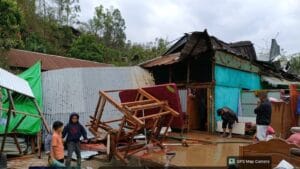
Manipur in recent years is seeing unprecedented scenarios of weather extremes, resulting in bursts of rains in short duration, flash floods, landslides, lightning strikes, and the damaging hailstorms.

Homes, agricultural fields and crops have not been spared, rendering tremendous economic losses for many who are in the marginalized sectors – peasants and agricultural farmers.

On Sunday (15 March) many parts of the State – Senapati, Imphal West, Kakching, Bishnupur, Tengnoupal – were hit by a fierce hailstorm ferried by a strong wind that blew off roofs and flatten houses.

Quite recently, farmers in Bishnupur District were left thunderstruck when a fierce hailstorm wreak havoc with their vegetable crops, totally flatten and battered beyond redemption, while tin roofing were punctured with multiple holes as if strapped by machine gun fire.

To address some of these pressing issues, the ICIMOD report recommended enhancing regional and global advocacy for HKH-specific climate funding, strengthening national and regional climate finance strategies, improving policy coherence, and developing robust financial mechanisms and innovative market-based instruments.

The report suggests that this could be achieved by building strong national institutional capacities and governance frameworks to manage and mobilize climate finance effectively.

It suggests leveraging innovative financial instruments, such as green and blue bonds, debt-for-climate swaps, and voluntary carbon markets, tailored specifically for mountain economies, to achieve the stated goals.

While suggesting urgent collective action and targeted financial investment as critical for building climate resilience, safeguarding ecosystems, and supporting sustainable development for current and future generations in the HKH region, the report emphasized that improving data infrastructure, climate risk assessments, and reporting systems to attract investments and enhance accountability require priority.

Without mincing words, the report points out that the challenges faced by the mountain regions, such as climate vulnerability, environmental degradation, and socio-economic disparities, are often overlooked in national, regional and global planning.

At the same time, the report fairly warns that with global warming projected to exceed the 1.5 degrees Celsius threshold by the year 2027 (WMO, 2025) – hardly a year from now – there is a pressing need for urgent climate action efforts to address key risks in mountain regions, with several structural challenges, such as lack of climate financing, hindering such efforts from attaining the requisite scope and scale.

Describing mountains as hotspots of climate change, the report extols that as in all other mountain regions of the world, in the HKH region too, the observed changes are increasing temperatures, changing seasonal weather patterns, reductions in snow persistence at low elevations, loss of glacier mass, increased permafrost thaw and incidence of glacial lake disasters.

Even as wars (Ukraine-Russia/Iran-Israel) escalates deaths and destructions, subsequently inflicting huge loss and damage, climate and weather extremes too are causing almost an equal amount of loss and damage as nature unleashes its fury left and right.

The massive wildfires in Australia, Europe and in the United States recently are but the tip of the iceberg in recent climate concerns, only worsening by the year. Glacial retreats and formation of glacial lakes in the HKH mountains are the proverbial warnings before catastrophe.

This is where rational suggestions such as those coming up from ICIMOD is a fair indication that States must come up with climate financing mechanism urgently to avoid climate and weather extreme disasters in the very near future within the HKH region.

Pakistan, India, Nepal, Bhutan and Bangladesh are in the red zones of climate and weather extremes, and hence actions require to be initiated soon enough. Even small nondescript States like Manipur and Nagaland are beginning to reel under unprecedented weather extremes in recent times.


The post Climate Extremes Batter Hindu Kush Himalaya, Northeast Feels the Heat first appeared on The Frontier Manipur.

Read more / Original news source: https://thefrontiermanipur.com/climate-extremes-batter-hindu-kush-himalaya-northeast-feels-the-heat/


Climate Extremes Batter Hindu Kush Himalaya, Northeast Feels the Heat

ICIMOD report links rising disasters to funding gaps as Manipur reels under hailstorms, floods, and landslides. Mountain ecosystems and rural livelihoods at tipping point By Salam Rajesh The Hindu Kush Himalaya region faces escalating climate risks, including glacial melt, biodiversity loss, and extreme weather events, posing severe threats to ecosystems, livelihoods, and the well-being of […]

The post Climate Extremes Batter Hindu Kush Himalaya, Northeast Feels the Heat first appeared on The Frontier Manipur.

ICIMOD report links rising disasters to funding gaps as Manipur reels under hailstorms, floods, and landslides. Mountain ecosystems and rural livelihoods at tipping point

By Salam Rajesh

The Hindu Kush Himalaya region faces escalating climate risks, including glacial melt, biodiversity loss, and extreme weather events, posing severe threats to ecosystems, livelihoods, and the well-being of billions dependent on its resources.

This ominous assessment is an emancipation of studies carried out by the Kathmandu-based International Centre for Integrated Mountain Development (ICIMOD), as is presented in its publication ‘Climate Finance Synthesis Report: Needs, Flows and Gaps in the HKH countries (2025)’.

The Hindu Kush Himalaya (HKH) is one of the world’s most climate-vulnerable regions, facing growing threats from extreme weather events like glacial lake outburst floods (GLOFs), landslides, droughts, floods, forest fires, and intense monsoons.

The frequency, intensity, and duration of these events are increasing, exacerbating risks to ecosystems, food security, and livelihoods, particularly in rural and mountainous areas according to the ICIMOD studies.

The report estimates that the Hindu Kush Himalaya region requires approximately USD 12.065 trillion from year 2020 to 2050 for financing climate mitigation and adaptation measures, amounting to an annual average of a staggering USD 768.68 billion.

According to the Climate Risk Index (CRI) 2025 Report, floods, storms, and heat waves has caused significant global fatalities and economic losses, with floods alone affecting half of those impacted and storms accounting for 56% of economic damages to the tune of USD 2.33 trillion.

The ICIMOD report stressed that sectors crucial to the region, such as adaptation, agriculture, water management, and disaster risk reduction, remain significantly underfunded despite their critical importance.

The report assessed that limited private sector engagement, insufficient institutional capacity, fragmented policy landscapes, and weak data infrastructure further compound these challenges.

Several Indian States located within the HKH region had felt the impact of weather and climate extremes in recent years, incurring huge losses and damages to human lives, infrastructures, and to the natural environment.

From the damaging GLOF events in Himachal Pradesh and Uttarakhand to cloud bursts in Sikkim, massive floods in Assam, and devastating hailstorms in Nagaland and Manipur, nature’s fury had not spared anyone as such.

Manipur in recent years is seeing unprecedented scenarios of weather extremes, resulting in bursts of rains in short duration, flash floods, landslides, lightning strikes, and the damaging hailstorms.

Homes, agricultural fields and crops have not been spared, rendering tremendous economic losses for many who are in the marginalized sectors – peasants and agricultural farmers.

On Sunday (15 March) many parts of the State – Senapati, Imphal West, Kakching, Bishnupur, Tengnoupal – were hit by a fierce hailstorm ferried by a strong wind that blew off roofs and flatten houses.

Quite recently, farmers in Bishnupur District were left thunderstruck when a fierce hailstorm wreak havoc with their vegetable crops, totally flatten and battered beyond redemption, while tin roofing were punctured with multiple holes as if strapped by machine gun fire.

To address some of these pressing issues, the ICIMOD report recommended enhancing regional and global advocacy for HKH-specific climate funding, strengthening national and regional climate finance strategies, improving policy coherence, and developing robust financial mechanisms and innovative market-based instruments.

The report suggests that this could be achieved by building strong national institutional capacities and governance frameworks to manage and mobilize climate finance effectively.

It suggests leveraging innovative financial instruments, such as green and blue bonds, debt-for-climate swaps, and voluntary carbon markets, tailored specifically for mountain economies, to achieve the stated goals.

While suggesting urgent collective action and targeted financial investment as critical for building climate resilience, safeguarding ecosystems, and supporting sustainable development for current and future generations in the HKH region, the report emphasized that improving data infrastructure, climate risk assessments, and reporting systems to attract investments and enhance accountability require priority.

Without mincing words, the report points out that the challenges faced by the mountain regions, such as climate vulnerability, environmental degradation, and socio-economic disparities, are often overlooked in national, regional and global planning.

At the same time, the report fairly warns that with global warming projected to exceed the 1.5 degrees Celsius threshold by the year 2027 (WMO, 2025) – hardly a year from now – there is a pressing need for urgent climate action efforts to address key risks in mountain regions, with several structural challenges, such as lack of climate financing, hindering such efforts from attaining the requisite scope and scale.

Describing mountains as hotspots of climate change, the report extols that as in all other mountain regions of the world, in the HKH region too, the observed changes are increasing temperatures, changing seasonal weather patterns, reductions in snow persistence at low elevations, loss of glacier mass, increased permafrost thaw and incidence of glacial lake disasters.

Even as wars (Ukraine-Russia/Iran-Israel) escalates deaths and destructions, subsequently inflicting huge loss and damage, climate and weather extremes too are causing almost an equal amount of loss and damage as nature unleashes its fury left and right.

The massive wildfires in Australia, Europe and in the United States recently are but the tip of the iceberg in recent climate concerns, only worsening by the year. Glacial retreats and formation of glacial lakes in the HKH mountains are the proverbial warnings before catastrophe.

This is where rational suggestions such as those coming up from ICIMOD is a fair indication that States must come up with climate financing mechanism urgently to avoid climate and weather extreme disasters in the very near future within the HKH region.

Pakistan, India, Nepal, Bhutan and Bangladesh are in the red zones of climate and weather extremes, and hence actions require to be initiated soon enough. Even small nondescript States like Manipur and Nagaland are beginning to reel under unprecedented weather extremes in recent times.


The post Climate Extremes Batter Hindu Kush Himalaya, Northeast Feels the Heat first appeared on The Frontier Manipur.

Read more / Original news source: https://thefrontiermanipur.com/climate-extremes-batter-hindu-kush-himalaya-northeast-feels-the-heat/

Loktak Fishers Observe International Rivers Day

Champu Khangpok residents remove plastic and waste from Yangoi Achouba River, highlighting pollution threats to Loktak Lake. Community action underscores urgent need to restore the polluted river draining through Imphal into the Ramsar-listed lake. TFM Desk As is observed every year on the 14th of March in commemorating the importance of rivers in sustaining human […]

The post Loktak Fishers Observe International Rivers Day first appeared on The Frontier Manipur.

Champu Khangpok residents remove plastic and waste from Yangoi Achouba River, highlighting pollution threats to Loktak Lake. Community action underscores urgent need to restore the polluted river draining through Imphal into the Ramsar-listed lake.

TFM Desk

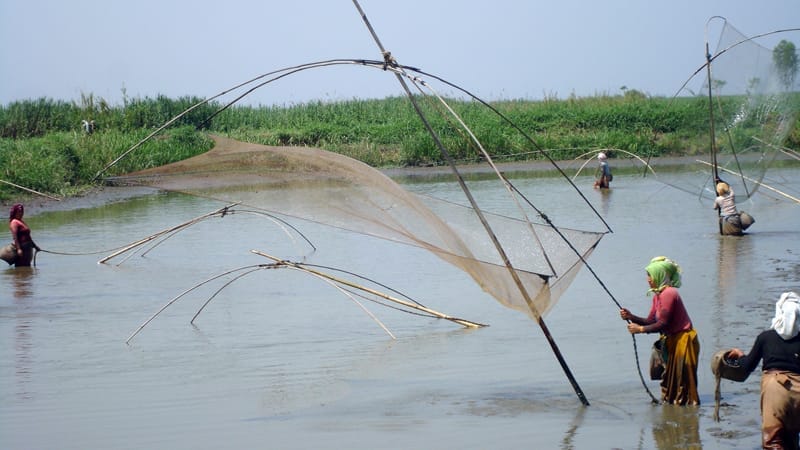
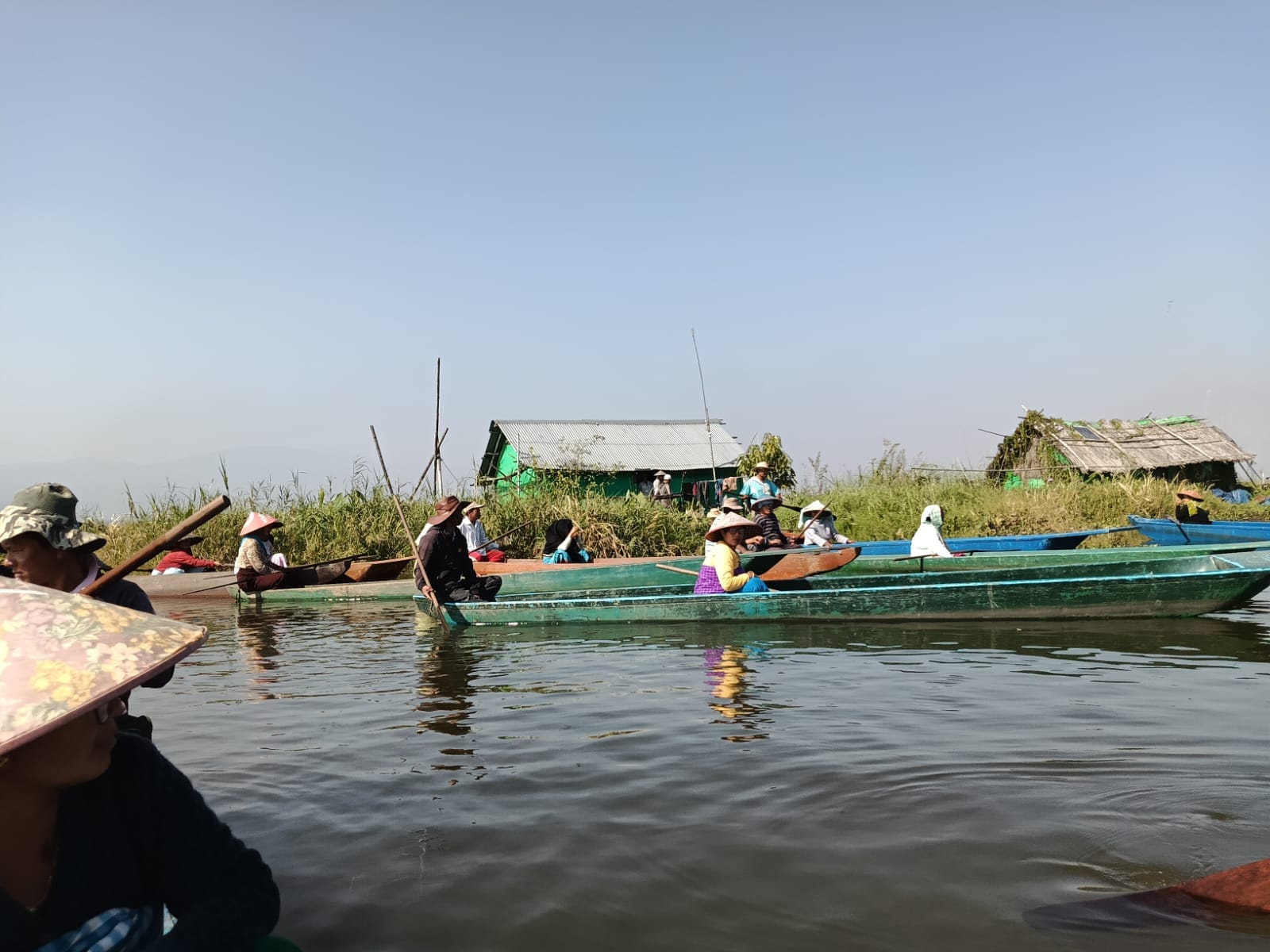
As is observed every year on the 14th of March in commemorating the importance of rivers in sustaining human lives and for the planetary health, Loktak fishers residing at Champu Khangpok Floating Island Village observed the day with Yangoi Achouba (Nambul) river cleanup.

Year 2026’s theme on ‘Protect Rivers, Protect People’ signify the intricate relationship rivers share with humans in sustaining lives and livelihoods on the one hand while sustaining healthy environment that can support all life forms that primarily depend on freshwater river ecosystem for their existence.

The Yangoi Achouba Turel, better known as Nambul River to the general mass, is one of the few important rivers to drain directly into the freshwater Loktak Lake – a Ramsar site.

The health of Nambul River signify the status of Loktak Lake, wherewith the current condition of the river being described as pitiful is fairly degraded with high pollution levels implying poor health status of the lake.

The river Nambul which flows through the densely populated Imphal city carry high pollutant loads and direct sewerage discharge from urban settlements that are deposited into Loktak Lake continuously every year without check.

The fishing families of Champu Khangpok floating island village, situated in the midst of the lake, had taken upon themselves the onus of organizing river cleanup of Nambul River stretch from Liklai Karong up to where the river flows directly into the lake on every occasion of environmental events.

Considering the large quantity of plastic and other domestic wastes carried by Nambul River and deposited directly into Loktak, Champu Khangpok resident Oinam Rajen Singh described the situation has bad and detrimental to the overall health of the lake.

Citing encroachments, pollution, siltation, weed infestation and eutrophication as major issues in the lake presently, Rajen called upon the relevant government agencies to address these issues on priority basis, otherwise the lake fares to degrade and degenerate each year, ultimately coming to the undesired condition when the water of Loktak will become useless for human use while possibility causing species decline in the lake.

The International Rivers Day is observed throughout the world to focus attention on rivers as vitally important for healthy ecosystems while sustaining lives and livelihoods for thousands of Indigenous Peoples and Local Communities (IPLCs) who depend entirely on rivers for everything in their lives.

The day also focuses on the negative anthropogenic activities like dam construction and diversion of rivers for ‘developmental’ projects that are highly detrimental to the health of the life-providing rivers.

The day also calls for letting rivers flow free without any obstruction, and to regain the passage of migratory fish species like salmon and trout that signify healthy river ecosystems while providing resources for local communities in sustaining their lives.

The day’s observation was supported by the Directorate of Environment & Climate Change, Government of Manipur and Bishnupur-based non-governmental organization People’s Resources Development Association (PRDA).


The post Loktak Fishers Observe International Rivers Day first appeared on The Frontier Manipur.

Read more / Original news source: https://thefrontiermanipur.com/loktak-fishers-observe-international-rivers-day-2/

Strengthen Protection for Migratory Freshwater Fish: IUCN

Global conservation body urges expanded species listings and stronger international cooperation ahead of CMS COP15 in Brazil. Declining fish populations, dams, pollution and climate change threaten river ecosystems and livelihoods worldwide. By Salam Rajesh Migratory freshwater fishes remain vastly under-represented in the CMS appendices despite facing severe declines and high extinction risk across the globe. […]

The post Strengthen Protection for Migratory Freshwater Fish: IUCN first appeared on The Frontier Manipur.

Global conservation body urges expanded species listings and stronger international cooperation ahead of CMS COP15 in Brazil. Declining fish populations, dams, pollution and climate change threaten river ecosystems and livelihoods worldwide.

By Salam Rajesh

Migratory freshwater fishes remain vastly under-represented in the CMS appendices despite facing severe declines and high extinction risk across the globe.

This critical assessment is the hard statement of the IUCN position paper of the fifteenth meeting of the Conference of the Parties (COP15) to the Convention on the Conservation of Migratory Species of Wild Animals (CMS) to be held from the 23rd to the 29th later this month at Campo Grande in Brazil.

The document (Doc.25.6.1) to be presented at COP15 and the Global Assessment of Migratory Freshwater Fishes underscores the urgent need to strengthen international cooperation and protection for migratory freshwater fish species globally.

Only a small fraction of known migratory freshwater fish species is currently covered by CMS listings, even as fish species worldwide face acute challenges with their habitats threatened by dams, pollution, water abstraction, climate change, overfishing and other undesired human interventions.

Highlighting this critical conservation gap, IUCN stresses that the CMS can help address these issues by expanding species listings and coordinated actions at basin scale across the seven continents.

On the basis of this urgency, IUCN called on all Parties to the Convention to support improved data, baselines and specified proposals targeted at enhancing freshwater fish inclusion and conservation under the Convention, thereto recognizing their essential roles for river ecosystem health, food security and livelihoods worldwide.

Stating its stand on the matter, IUCN committed to supporting CMS Parties with scientific data and advice on migratory freshwater fish species and their conservation.

Making its position clear on communities and livelihoods, IUCN said it strongly supported the proposal from the eighth meeting of the Sessional Committee of the Scientific Council (ScC-SC8) in establishing a dedicated working group that would deal with the strategic issues related to interactions between communities and the CMS listed species (in reference to: UNEP/CMS/COP15/Doc.28.4/Add.1).

IUCN suggested that COP15 needs to amend the text to specifically focus on issues related to ‘humanwildlife conflict and coexistence’ which are addressed by various CMS frameworks, where a multi-stakeholder working group is crucial in promoting alignment and coordination across these initiatives.

The suggestion further stressed that by leveraging the impartial support of the IUCN SSC (Species Survival Commission) HumanWildlife Conflict & Coexistence Specialist Group, the proposed working group would help Parties prevent and mitigate the impacts of humanwildlife conflict on CMS-listed species while promoting coexistence.

On Transfrontier Conservation Areas, IUCN said it supported the adoption of the draft decisions on Transfrontier Conservation Areas for Migratory Species (COP15/Doc.28.3) and that it stood ready to assist Parties through its technical expertise and global experience in transboundary conservation.

This support is reflected in outcomes of the Forum event held at the 8th IUCN World Conservation Congress (October 2025) which produced the report “Transboundary Conservation Around the World: Ecologically and Culturally Well-connected Landscapes and Seascapes”.

The report highlighted two key priorities directly relevant to CMS implementation. These are: (1) Emphasize moving from planning to action, harmonizing laws and management across borders, integrating connectivity for all species and ecosystems, and applying conflict-sensitive strategies, and (2) Long-term funding and multi-sector collaboration critical for sustained success.

IUCN therefore encouraged Parties to advance practical, cooperative measures that would strengthen connectivity for migratory species across national boundaries.

Touching on the subject of light pollution, IUCN welcomed the CMS draft decision on light pollution (COP15/Doc.28.7) and said it supported its emphasis on consolidating and disseminating the CMS International Light Pollution Guidelines for Migratory Species.

The draft decision recognized light pollution as a growing, cross-sectoral threat to migratory species and ecosystems, reflecting a mature phase of CMS work in which the priority shifts from developing new guidance to scaling up implementation, outreach and uptake by Parties and stakeholders.

Welcoming the conclusion of the Scientific Council that no immediate amendments to the guidelines are required, IUCN suggested that efforts should focus on awareness-raising, capacity building, and integration into policy and planning processes.

An interesting aspect of its position paper is with reference to the conservation implications of animal culture and social complexity.

IUCN welcomed the document COP15/Doc.28.13 on Conservation Implication of Animal Culture and Social Complexity which recognized its alignment with IUCN Resolution 8.112 (2025) in planning for strengthening the preservation of biodiversity through the use of Longevity Conservation approaches to ensure naturally age-structured populations of species.

Scientific evidence demonstrates that older individuals in animal populations often perform disproportionately important ecological, demographic, and social roles, serving as repositories of ecological knowledge, behavioural traditions, and socially learned strategies that enhance survival, reproduction, and population resilience – concepts that closely linked to emerging global work on animal culture and social learning under CMS.

IUCN appreciated the positive dialogue with the CMS Secretariat on the topic of animal culture and social complexity.

In collaboration with the CMS Secretariat and the Chair of the CMS Expert Group on Animal Culture, and through the IUCN CEESP-SSC Conservation of Animal Culture Task Force, IUCN sought in advancing the integration of animal culture into conservation policy and practice.

Complementing CMS’s focus on migratory species, IUCN promoted a holistic approach across migratory and non-migratory species, inclusive of traditional knowledge and Indigenous perspectives.

IUCN’s push for protection of migratory freshwater fish species is viewed in perspective of the concerns on rapid depletion of wetlands due to the primary reason of human interference in many aspects including infrastructure developments and reclamation of wetlands for different activities, thereby threatening fish populations and their habitats.

Dams across rivers have long been one of the contentious reasons for depleting migratory freshwater fish fishes like salmon and trout, triggering extensive tension between developmental agencies and the IPLCs (Indigenous Peoples and Local Communities), primarily over resources and livelihoods.

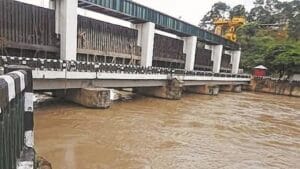
In this scenario, an isolated State like Manipur in India’s far northeast is no exception with the contentious Ithai Barrage for the 105 megawatt Loktak hydroelectric power project disrupting migratory freshwater fish routes and causing species loss upstream of the barrage, a reason that is cited as inducing economic loss and threats to livelihoods for thousands of fishing families within the Manipur River basin.

The post Strengthen Protection for Migratory Freshwater Fish: IUCN first appeared on The Frontier Manipur.

Read more / Original news source: https://thefrontiermanipur.com/strengthen-protection-for-migratory-freshwater-fish-iucn/

How a Manipur village is rebuilding its rainforest commons

A community-led initiative has documented hundreds of species and planted thousands of trees to regenerate its degraded commons. Worngachan A Shatsang Ukhrul: The Koirer hill range in Phalee village stands in stark contrast to the lush greenery aroun…

A community-led initiative has documented hundreds of species and planted thousands of trees to regenerate its degraded commons. Worngachan A Shatsang Ukhrul: The Koirer hill range in Phalee village stands in stark contrast to the lush greenery around it. Its landscape is dotted with tree lines at the base and patches of shrubs higher up. From […]

The post How a Manipur village is rebuilding its rainforest commons appeared first on NorthEast Now.

Read more / Original news source: https://nenow.in/environment/how-a-manipur-village-is-rebuilding-its-rainforest-commons.html

Checkmate On The Fossil Fuel Dialogues

Donald Trump’s aggression in the Middle East reflects the West’s intended move to dominate the world economy which in other words can be equated to Nazi Germany’s campaign to subjugate the world militarily and politically with dominance over agricultural, mineral and oil rich countries By Salam Rajesh The Unites States’ interference in the Middle East […]

The post Checkmate On The Fossil Fuel Dialogues first appeared on The Frontier Manipur.

Donald Trump’s aggression in the Middle East reflects the West’s intended move to dominate the world economy which in other words can be equated to Nazi Germany’s campaign to subjugate the world militarily and politically with dominance over agricultural, mineral and oil rich countries

By Salam Rajesh

The Unites States’ interference in the Middle East is largely seen by observers as a premeditated campaign to consolidate its hold on the oil rich nations which the western states require to sustain and bolster their global geopolitical dominance – politically and economically.

Donald Trump’s aggression in the Middle East reflects the West’s intended move to dominate the world economy which in other words can be equated to Nazi Germany’s campaign to subjugate the world militarily and politically with dominance over agricultural, mineral and oil rich countries.

The United Nations has since been in the thick of heated debates over ending fossil fuel resourcing, exploitation and production as a means to address critical concerns on global warming and climate extremes that otherwise are threatening humanity and the planet with dire consequences if actions are not taken up immediately.

The call to reduce and halt fossil fuel use extensively has been the centre-piece of extended dialogues in several of the climate conferences around the world – Belem, Abu Dhabi, Baku, Kunming, Montreal, Paris, Tokyo, and many more.

Yet, the dialogues have remained stuck in most instances, with world leaders like Donald Trump kicking aside these dialogues as a ‘waste of time’. The United States had recently moved away from these dialogues by distancing itself from the UN functionaries, with even Trump saying that climate change is a ‘lie’.

In recent climate conferences there were heated debates between fossil fuel lobbyists and those suggesting reducing and limiting fossil fuel use globally.

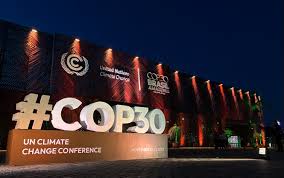
The COP30 at Belem in Brazil, held in November last year, came up with a statement on transitioning away from fossil fuels, supported by over 80 countries including Australia, Austria, Belgium, Cambodia, Chile, Colombia, Costa Rica, Denmark, Fiji, Finland, Ireland, Jamaica, Kenya, Luxembourg, Marshall Islands, Mexico, Micronesia, Nepal, Netherlands, Panama, Spain, Slovenia, Vanuatu and Tuvalu.

The declaration is grounded in the scientific truth that fossil fuels are the primary driver of the climate crisis, and subsequently the Government of Colombia, in alliance with the Government of the Netherlands, announced the first international conference on just transition away from fossil fuels.

The conference proposed to be held at Santa Marta, Colombia, on 28 April later this year is projected as a broad intergovernmental, multi-sectoral platform, complementary to the UNFCCC (United Nations Framework Convention on Climate Change), and designed to identify legal, economic, and social pathways for phasing out fossil fuels.

The proposed climate conference seeks in the deliberation on financial and trade mechanisms, macroeconomic challenges, fossil fuel subsidy phase out, renewable energy acceleration, economic diversification, and labor reconversion.

The Belem climate conference had some immediate results, such as, following the leaders’ summit at Belem, Netherlands’ Prime Minister went to Aruba to announce the closure of the oil refinery with a Dutch green subsidy fund. As of 2030, the Netherlands will prohibit electricity production with coal.

The atoll nation of Tuvalu, which is currently facing total submergence due to rising sea level as an after-effect of global warming, raised the urgency of climate action while noting that achieving the climate goals required international cooperation.

Tuvalu was one of the first countries to call for the development of a fossil fuel treaty, offering the clearest pathway for ‘a negotiated, fair and forcible transition away from coal, oil and gas’. The International Court of Justice, too, confirmed that acting in line with climate science is a legal obligation.

The proposed treaty process complements the Paris Climate agreement by addressing fossil fuel phase out directly.

Urging global community to support the proposed treaty, one of Tuvalu ministers called out that, “We are already drowning, but we will not give up and we will never give up. We are headed towards a point of no return and we need to do something (fast)”.

The Belem conference did emphasize that phasing out fossil fuels requires substantial growth in renewable energy, which is in other words is the energy transition that is necessary to address climate goals and to achieve stable economies, and overall security.

Meanwhile, even as these heated dialogues are doing the rounds in contrasting political scenario, climate watch groups are coming up with findings that are warnings of dire consequences if actions on climate mitigation and adaptation processes are not initiated post-haste.

The Copernicus Climate Change Service (C3S) noted that ‘a large region of the subtropical and the northeast North Atlantic, including the Norwegian Sea, had the warmest sea surface temperatures (SSTs) on record for the time of year’.

The SSTs were higher than the average in large parts of the North Pacific Ocean as well and were near normal in central and eastern Pacific Ocean, because of the prevailing weak La Nina conditions, C3S said.

In the Southern Hemisphere, where it is summer season now, temperatures in southern South America, Northern Africa, most of Australia and Antarctica were much higher than the normal. This lead to extensive and intense heat waves in many regions and even triggered devastating wildfires, the climate watch group said.

The excessive heat that generated wildfires in southeastern Australia in the second week of January earlier this year were made five times more likely and 1.6 degrees Celsius hotter due to global warming and consequent climate change, according to an analysis by the World Weather Attribution (WWA) consortium.

The cold snaps on land did not have much of an impact on sea surface temperatures in the Northern Hemisphere, especially close to Europe and North America. The average sea surface temperatures between the latitudes 60°S–60°N was 20.68°C was the fourth highest average SST on record.

All said and done, the unprecedented winter storm that lashed parts of the United States, including New York, earlier this year is a fair warning that climate extremes are becoming more extreme by the year.


The post Checkmate On The Fossil Fuel Dialogues first appeared on The Frontier Manipur.

Read more / Original news source: https://thefrontiermanipur.com/checkmate-on-the-fossil-fuel-dialogues/

Loktak Fishers Strive to achieve GBF Targets

Champu Khangpok fishers turn global biodiversity goals into grassroots action at Loktak Lake. The fishing community makes it a point to organize important annual events highlighting environmental and ecological concerns, sensitizing locals on the objectives of the GBF targets with prioritization on the long-term conservation of the freshwater Loktak Lake and its biological diversity. By Salam […]

The post Loktak Fishers Strive to achieve GBF Targets first appeared on The Frontier Manipur.

Champu Khangpok fishers turn global biodiversity goals into grassroots action at Loktak Lake. The fishing community makes it a point to organize important annual events highlighting environmental and ecological concerns, sensitizing locals on the objectives of the GBF targets with prioritization on the long-term conservation of the freshwater Loktak Lake and its biological diversity.

By Salam Rajesh

In these past several recent years, the fishing community thriving upon the floating island village of Champu Khangpok within Loktak Ramsar site in India’s far flung northeastern State of Manipur had continuously been contributing their mite in achieving locally some of the goals outlined in the targets set under the Global Biodiversity Framework of the Convention on Biological Diversity (CBD).

The Global Biodiversity Framework (GBF) that came into force at the CBD Kunming-Montreal convention during 2022 end came up with several goals that primarily aimed at achieving targets addressing biodiversity loss and species decline worldwide.

Much of the CBD’s GBF Targets – 23 targets in all – predominantly focuses on incorporating the active participation of Indigenous Peoples and Local Communities (IPLCs) in achieving the set goals in both short and long terms.

Fishers staging awareness drive in Loktak Lake.

Keeping this background in perspective, the fishing community of Champu Khangpok floating island village had since set themselves to task in contributing meaningfully towards achieving some of the aspects outlined in the CBD GBF targets in their own humble way, howsoever small their efforts might seem to be.

Champu Khangpok marked the observation of World Wetlands Day 2026 earlier this year with a cleanup drive within the lake and along the waterway of Yangoi Achouba (albeit Nambul River), prioritizing the fact that the lake had since become a dumping ground of urban wastes carried by the river along its flow through Imphal city, a fairly populated urbanized zone.

Champu Khangpok villagers also take upon themselves the task of regulating capture fishery to prevent species population decline within the lake and to restrict random capture of fingerlings during the spawning season, and in preventing unethical fishing methods using LED blubs at nighttime and electrocuting fish using batteries.

The fishing community makes it a point to organize important annual events highlighting environmental and ecological concerns, sensitizing locals on the objectives of the GBF targets with prioritization on the long term conservation of the freshwater Loktak Lake and its biological diversity.

Target 3 of the CBD’s GBF focuses on the conservation of 30 percent of the land, waters and the seas globally to protect life on land and in water. Within this target is an important element to recognize the Indigenous and traditional territories.

The Convention recognizes that ‘Indigenous peoples and local communities often own, occupy and manage areas with unique and significant biodiversity. The appropriate recognition of these areas, therefore, could make important contributions in achieving this target’.

This consideration comes with the perspective that the rights of the Indigenous peoples and local communities must be respected fully, including obtaining their free, prior and informed consent in all matters.

The Convention is convinced that the well-governed, effectively managed and representative protected areas, and other effective area-based conservation measures (OECMs), are a proven method for safeguarding both habitats and populations of species and for delivering important ecosystem services and multiple benefits to people.

The CBD has made it a valid point that ‘local people managed protected areas is a central element of biodiversity conservation strategies at the local, national and global levels’.

This consideration of IPLCs’ contribution in safeguarding biodiversity adds strength in achieving the GBF’s Target 4 which focuses on halting species extinction, protecting genetic diversity, and in managing human-wildlife conflicts.

Target 4 specifically ensures urgent management actions ‘to halt human induced extinction of known threatened species and for the recovery and conservation of species, in particular threatened species, and to significantly reduce extinction risk’.

The goal further is ‘to maintain and restore the genetic diversity within and between populations of native, wild and domesticated species to maintain their adaptive potential, including through in-situ and ex-situ conservation and sustainable management practices’.

In the same breadth, Target 6 of the GBF looks at addressing the menace of Invasive Alien Species (IAS) of plants and animals, seeking the reduction of the introduction of IAS by 50 percent globally within a time frame, and, thereto, minimize their impact on the localized biodiversity.

The objective of Target 6 is broadly outlined as: ‘Eliminate, minimize, reduce and or mitigate the impacts of invasive alien species on biodiversity and ecosystem services by identifying and managing pathways of the introduction of alien species, preventing the introduction and establishment of priority IAS, reducing the rates of introduction and establishment of other known or potential IAS by at least 50 percent, by 2030, eradicating or controlling IAS especially in priority sites, such as islands’.

This is one of the priority areas that the Loktak fishers have specifically focused upon in all of these years, highlighting time and again on the menace of aquatic plants, and fish, that are alien to the freshwater Loktak Lake and which are proving as nuisance plants, and fish, within the lake.

Another of the issues faced by the Loktak fishers is the level of pollution within the lake, accentuated by the pollutant loads and sewerage discharge from the urban areas. The Nambul River carries maximum pollutant loads from the urbanized Imphal city areas, a factor for high pollution level in the lake.

This issue is reflected in the GBF’s Target 7 which specifically focuses on reducing pollution to levels that are not harmful to biodiversity.

Target 7 specifies on ‘reducing pollution risks and the negative impact of pollution from all sources, by 2030, to levels that are not harmful to biodiversity and ecosystem functions and services, considering its cumulative effects’.

It further seeks in ‘reducing excess nutrients lost to the environment by at least half including through more efficient nutrient cycling and use; reducing the overall risk from pesticides and highly hazardous chemicals by at least half including through integrated pest management, based on science, taking into account food security and livelihoods; and also preventing, reducing, and working towards eliminating plastic’.

In a nutshell, achieving these targets might be a herculean task for the marginalized fishing community of Loktak Lake, whereas, the zeal to contribute their mite in the smallest possible ways is there for all to see, visible through their continuous activities in their own humble way.

This is where the state and central authorities can step in to aid the Loktak fishers in their march forward – a tiny step taken yet meaningful in saving, protecting and conserving one of India’s most significant inland freshwater lakes – and, that too, a Ramsar site of international importance.


The post Loktak Fishers Strive to achieve GBF Targets first appeared on The Frontier Manipur.

Read more / Original news source: https://thefrontiermanipur.com/loktak-fishers-strive-to-achieve-gbf-targets/

Keibul Lamjao National Park to Remain Closed from Feb 20–27 for Sangai Census

A notice issued by issued by the Office of the Principal Chief Conservator of Forests (Wildlife) & Chief Wildlife Warden stated that the park will remain closed to visitors throughout the census exercise to ensure smooth and undisturbed operations. FM Report The Government of Manipur has announced the temporary closure of the Keibul Lamjao National […]

The post Keibul Lamjao National Park to Remain Closed from Feb 20–27 for Sangai Census first appeared on The Frontier Manipur.

A notice issued by issued by the Office of the Principal Chief Conservator of Forests (Wildlife) & Chief Wildlife Warden stated that the park will remain closed to visitors throughout the census exercise to ensure smooth and undisturbed operations.

FM Report

The Government of Manipur has announced the temporary closure of the Keibul Lamjao National Park from February 20 to February 27, 2026, to facilitate the annual census of the endangered Sangai and other associated wildlife species.

According to a public notice issued by the Office of the Principal Chief Conservator of Forests (Wildlife) & Chief Wildlife Warden, the National Park Management will undertake census operations during the eight-day period to estimate the mean population of the Sangai, also known as the Manipur Brow-Antlered Deer, along with other species inhabiting the park.

The notice stated that the park will remain closed to visitors throughout the census exercise to ensure smooth and undisturbed operations.

The order has been issued under Sections 28(a) and 33(d) of the Wildlife (Protection) Act, 1972.

The public notice was issued by Anurag Bajpai, Principal Chief Conservator of Forests & Head of Forest Force (HoFF) & Chief Wildlife Warden, Government of Manipur.

The post Keibul Lamjao National Park to Remain Closed from Feb 20–27 for Sangai Census first appeared on The Frontier Manipur.

Read more / Original news source: https://thefrontiermanipur.com/keibul-lamjao-national-park-to-remain-closed-from-feb-20-27-for-sangai-census/

United Sangtam Likhum Pumji Bans Pangolin Hunting in Nagaland

Decision marks a major milestone under the Pangolin Project led by the Wildlife Trust of India (WTI), supported by the Wildlife Conservation Network’s Pangolin Crisis Fund, in collaboration with the forest departments of Manipur and Nagaland TFM report In a significant boost to wildlife conservation efforts in Northeast India, the United Sangtam Likhum Pumji (USLP), […]

The post United Sangtam Likhum Pumji Bans Pangolin Hunting in Nagaland first appeared on The Frontier Manipur.

Decision marks a major milestone under the Pangolin Project led by the Wildlife Trust of India (WTI), supported by the Wildlife Conservation Network’s Pangolin Crisis Fund, in collaboration with the forest departments of Manipur and Nagaland

TFM report

In a significant boost to wildlife conservation efforts in Northeast India, the United Sangtam Likhum Pumji (USLP), the apex tribal body of the Sangtam Naga community, has passed a resolution imposing a complete ban on the hunting of pangolins within its jurisdiction in Nagaland.

The decision marks a major milestone under the Pangolin Project led by the Wildlife Trust of India (WTI), supported by the Wildlife Conservation Network’s Pangolin Crisis Fund, in collaboration with the forest departments of Manipur and Nagaland.

Launched in 2023 in Manipur and later expanded to Nagaland, the project focuses on combating the illegal wildlife trade (IWT) of the Indian Pangolin (Manis crassicaudata) and the Chinese Pangolin (Manis pentadactyla). The Indo-Myanmar border region has been identified as a key trafficking corridor for both species.

The Sangtam Naga community, primarily residing in Kiphire and Tuensang districts, inhabits ecologically rich forest landscapes that form part of the Indo-Myanmar biodiversity hotspot. With a strong traditional governance system led by village councils and apex tribal bodies, community resolutions play a critical role in regulating natural resource use and social practices.

Following sustained dialogue and sensitisation initiatives by WTI, the USLP formally adopted the resolution in the presence of Mr. A. Island Peace Yangthsaba and Mr. L. Kipitong Sangtam.

Mr. Chingrisoror, Field Officer, WTI, stated, “The Sangtam community has shown remarkable leadership in recognising the urgency of pangolin conservation. Their support is crucial because when communities take ownership, conservation becomes sustainable.”

The resolution builds upon a similar conservation measure earlier passed by the Tangkhul Naga Awunga Long (TNAL) in Manipur, reflecting growing momentum for community-led wildlife protection across state boundaries in the region.

Mr. L. Kipitong Sangtam, Pumji Chidong, emphasised the importance of traditional institutions in conservation efforts. “Community institutions are the backbone of conservation in Nagaland. With community support, the Pangolin Project is helping build trust and local leadership, ensuring that pangolins are protected through collective commitment,” he said.

With increasing backing from indigenous tribal bodies, conservation efforts to safeguard pangolins in the Northeast continue to gain strength, reinforcing the role of community governance in addressing wildlife crime.

The post United Sangtam Likhum Pumji Bans Pangolin Hunting in Nagaland first appeared on The Frontier Manipur.

Read more / Original news source: https://thefrontiermanipur.com/united-sangtam-likhum-pumji-bans-pangolin-hunting-in-nagaland/

The Plague of Introduced Species

How cane toads, paragrass, carp and hyacinth became ecological disruptors in Australia and Manipur. By Salam Rajesh Earlier this month, Jennifer Geer writing for A-Z Animal.com, provided a descriptive narrative of how an imported and introduced toad species from Hawaii by the Australian Government ultimately became the proverbial Frankenstein in the making. In 1935, Queensland […]

The post The Plague of Introduced Species first appeared on The Frontier Manipur.

How cane toads, paragrass, carp and hyacinth became ecological disruptors in Australia and Manipur.

By Salam Rajesh

Earlier this month, Jennifer Geer writing for A-Z Animal.com, provided a descriptive narrative of how an imported and introduced toad species from Hawaii by the Australian Government ultimately became the proverbial Frankenstein in the making.

In 1935, Queensland in Australia faced a major crisis in its sugar cane crop production after a native beetle species, Greyback Cane Beetle (Dermolepida albohirtum), commenced wreaking havoc on the sugarcane plants.

The beetle larvae lived in the soil and chewed on sugarcane roots, stunting growth or killing the plants. This incurred major economic losses for the sugarcane farmers. There was a need to find a solution fast enough to prevent further losses.

Seeking a natural solution to kill the grubs, the Australian government imported Cane Toads (Rhinella marina) from Hawaii, with the hope that the toads would eat the grubs and save the sugarcane.

Unfortunately enough, as history proved, the worst-case scenario occurred. The toads did not keep the beetle populations in check. Instead, they became one of Australia’s most destructive (alien) invasive species and an ecological disaster, writes Geer. Today, the toads are considered invasive species in Australia, the Caribbean Islands, Hawaii, and Florida.

Cane Toad.

In August 1935, the BSES (Queensland Bureau of Sugar Experiment Stations) released 2400 cane toads into sugarcane plantations in Gordonvale, North Queensland. By 1950, the Australian government declared the cane toad an invasive predator.

Dangers from the toads included poisoning animals that prey on them, outcompeting native species for resources, and their voracious appetites. Geer writes that 75 species of Australian crocodiles, lizards, and freshwater turtles were threatened by the toads.

Some of the animals that are in danger of dying after they eat a cane toad include the Australian monitor lizards, quolls, tiger snakes, and freshwater crocodiles. Many of these animals are designated as threatened species in the country.

This story fairly well finds reflection in India, too, with stories of introduced species ultimately becoming monsters in disguise. Like most States in the country, Manipur too is not an exception to such stories of disasters.

In the mid 1970s, the State’s veterinary department reportedly introduced Paragrass (Brachiaria mutica) as fodder for milch cows that, too, were imported from Haryana. It was reported that the cows were housed in a mechanized cattle farm in the Iroishemba area in Imphal West District.

The remains of the feed, that is, the undigested or the uneaten parts of the paragrass soon found their way to the riverbank of Nambul River via its feeder rivulets, either as cow excreta or intentionally dumped as waste. Today, paragrass is one of the major nuisance semi-aquatic plants in most water bodies within the Manipur River basin.

Paragrass (Napi tujombi in the vernacular) is a major headache for Loktak Lake (a Ramsar site) managers as this fast spreading grass had virtually spread its tentacles across the peripheral shoreline, crowded over the floating biomass Phumdi, and literally had become the major reason for depletion of native plants, in particular the edible aquatic, semi-aquatic and semi-terrestrial species of food and medicinal values.

Paragrass in Loktak wetland.

The story of the notorious cane toads of Australia indeed finds a parallel with the notorious paragrass in Manipur, well defined amongst the floating biomass of Loktak Lake. The one is a story of an animal (an amphibian) and the other is of a plant (a grass). Amazing comparison at the best!

It may be recalled here that Target 6 of the Global Biodiversity Framework (GBF) of the Convention on Biological Diversity (CBD) re-emphasizes the elimination, minimization, reduction or the mitigation of impacts of Invasive Alien Species (IAS) of plants and animals on the biodiversity and ecosystems across the seven continents.

The GBF’s Target 6 specifically seeks the prevention of the introduction and establishment of priority invasive alien species, reducing the rates of introduction and establishment of other known, or potential, IAS plants and animals by at least 50 percent by the target year 2030.

For the Asia and the Pacific CBD Regional Group, 37 member countries including India have set at least one national target to be achieved by year 2030.

On this end, the National Biodiversity Authority of India (NBA) in 2022 had framed lists of invasive alien species of plants and animals under its Inland Invasive Alien Species of Fishes of India that are of priority for control, reduction and elimination throughout the country by year 2030.

Top on the list of the Inland Invasive Alien Species of Fishes of India according to the NBA is one of the commonest cultured fishes in the country, and in Manipur too, and that is, the Common Carp (Eurasian or European carp, Cyprinus carpio; Puklaobi in the vernacular).

The Common Carp was introduced in Manipur way back in 1964 according to fish expert Professor Waikhom Vishwanath. Interestingly, in India the fish was first introduced in Cuttack in 1939, and in Bangkok in 1957. The fish’s native range covers rivers in Europe and in Asia.

The fish Mozambique tilapia (Oreochromis mossambicus; Tunghanbi in the vernacular) a species originating from East Africa and introduced in India in 1952, finds itself second in the priority list of invasive alien species of fishes to be either controlled or eradicated entirely in India by the target year 2030.

Two very commonly seen aquatic plants in Manipur, namely, Pontederia crassipes (Eichhornia crassipes/Water hyacinth; Kabo-kang) and Alligator weed (Alternanthera philoxeroides; Kabo-napi) find themselves listed on the top of the priority IAS plants to be either controlled or eradicated completely by 2030.

The proliferation of Pontederia crassipes in large number across the water body of a wetland endangers it as excessive growth of the plant ‘inhibits the growth of fish and other aquatic organisms due to cut down of light and lack of oxygen’ according to experts.

In fact, at one point of time the plant was known as the ‘Terror of Bengal’ because of its rapid growth and domination across most water bodies in that State, rapidly affecting the fisheries and impacting rural economy drastically.

The Dehradun-based Wildlife Institute of India (WII) at one point of time had noted that ‘the gregarious growth of weeds like Brachiaria mutica and Alternanthera philoxeroides unless controlled, may pose a great threat to the biodiversity of the Keibul Lamjao National Park – habitat of the highly threatened Manipur Brow-antlered Deer’.

Defining Invasive Alien Species, Costello et al. (2022) says, “Alien species are organisms which are introduced to regions in which they would not be found naturally, as a result of unintentional or deliberate human action”.

“In the majority of cases, alien species are unable to survive in their new environment without human support. However, a small proportion will manage to adapt to their new surroundings and establish populations in the wild. Some of these alien species have negative impacts on the environment, for example predation or competition for resources with native animals or plants”.


The post The Plague of Introduced Species first appeared on The Frontier Manipur.

Read more / Original news source: https://thefrontiermanipur.com/the-plague-of-introduced-species/

When Wetlands Beckon

In climate change dialogues, the significance of wetlands as carbon sinks has multiplied manifold, increasingly with new findings on how much of carbon wetlands can sequester, besides the knowledge on green forests serving as important carbon sinks that absorb excess carbon in the atmosphere to help in climate change mitigation. By Salam Rajesh As in […]

The post When Wetlands Beckon first appeared on The Frontier Manipur.

In climate change dialogues, the significance of wetlands as carbon sinks has multiplied manifold, increasingly with new findings on how much of carbon wetlands can sequester, besides the knowledge on green forests serving as important carbon sinks that absorb excess carbon in the atmosphere to help in climate change mitigation.

By Salam Rajesh

As in the preceding years, the world community observed with solemnity the pledges to save, protect and conserve wetlands on the occasion of the annual World Wetlands Day ritual of social and environmental commitments, howsoever the mission appear far more than practicable to put words on ‘wetlands conservation’ in actuality.

The second day of February every year is dedicated to wetlands as a continued process of the global effort in raising awareness and commitments to saving much of the world’s fast disappearing water bodies of value to humans, wildlife and to nature itself.

An assessment by Hu et al. (2017, as quoted in Anisha, N.F., Mauroner, A., Lovett, G., Neher, A., Servos, M., Minayeva, T., Schutten, H. & Minelli, L. (2020). Locking Carbon in Wetlands: Enhancing Climate Action by Including Wetlands in NDCs. Corvallis, Oregon and Wageningen, The Netherlands: Alliance for Global Water Adaptation and Wetlands International) indicated that the area of wetland loss across the seven continents through the year 2009 and up to present times is considerably large.

Asia continent led the world in wetland area loss by a massive size of 2,646,100 sq km, followed by South America at a close second with a loss of 2,521,900 sq km. Europe figured with a considerably large loss of 972,200 sq km while North America lost 457,100 sq km, Africa 453,500 sq km and Oceania 181,600 sq km respectively.

This massive loss when counted in their totality can be seen to influence negative impacts on the living world, where even the IUCN (International Union for Conservation of Nature and Natural Resources) says that currently near around 47,000 species of animals and plants globally are on the verge of extinction from various reasons including negative anthropogenic influences.

Why would then people in general worry for wetlands dying and disappearing ultimately? The reasons are not far to seek, if people do reconsider the numerous ecosystem services rendered by wetlands in their totality.

For instance, wetlands have strong links to ancient traditions, cultures, spiritual values and religious values that establish socio-cultural links of people to their roots, in particular for wetland dependent or wetland-thriving communities. Manipur has a link in the legacy of the Khamba-Thoibi legends.

While it is generally accepted that wetlands supply food through natural resources such as fish and edible aquatic plants and insects, and through agricultural practices in wetland areas, these water bodies play an important role in climate change resilience and carbon storage. They assist in the regulation of greenhouse gases, temperature, precipitation and other climatic processes.

In climate change dialogues, the significance of wetlands as carbon sinks has multiplied manifold, increasingly with new findings on how much of carbon wetlands can sequester, besides the knowledge on green forests serving as important carbon sinks that absorb excess carbon in the atmosphere to help in climate change mitigation.

Compared to tropical rainforests which were thought of to be the best carbon sinks in the natural world, new findings in this aspect throws light on how wetlands can absorb carbon many times more than tropical forests.

For instance, compared to tropical forests storing 200 tons of carbon dioxide per hectare in soil, peatlands can store a massive 4700 tons of carbon dioxide per hectare in soil. That is a difference by a huge margin.

Similarly, mangroves can store up to 2839 tons of carbon dioxide per hectare in soil, seagrass 500 tons of carbon dioxide per hectare in soil, and salt marsh up to 917 tons of carbon dioxide per hectare in soil, which definitely is quite significant in global discussions on carbon sequestration to meet the deadline on limiting global temperature rise to 1.5 degree Celsius by year 2050.

Tropical forests are estimated to store up to 600 tons of carbon dioxide per hectare in their biomass, whereas, in the same measure mangroves are estimated to store as much as 928 tons of carbon dioxide per hectare in their biomass, which accounts for the global thrust on restoring and regenerating mangroves across most coastal belts around the world.

Wetlands play a major role in assisting with the storage and retention of water which helps flow regulation and provides flood and drought protection, and at the same time, wetlands assist in soil formation through sediment retention and accumulation of organic matter.

These, and much more, are the functional properties of wetlands in general, other than these water bodies providing leisure and fun for people seeking respite from the everyday grinding in life.

As in the preceding years, Manipur was not far behind other communities across the globe in observing the day with fervor and solemnity, urging local communities and the State to devout more time and energy in the larger objective of saving whether water bodies of value are left in the wild within the State.

The State’s Directorate of Environment and Climate Change along with other line departments hosted the day at Yaralpat wetland site in Imphal East District, extolling the importance of wetlands to achieve various ecosystem services including groundwater recharge, fisheries and livelihoods, while providing refuge for wildlife such as the wintering migratory water birds.

The day was also observed widely across the State at academic and civil society platforms, individually and with support from the Directorate.

Of significant contribution to the day was the pre-World Wetlands Day 2026 observation on Sunday, 01 February, where the fishing community residing at Champu Khangpok Floating Island Village within Loktak Lake staged a cleanup drive to clear plastics and other domestic wastes along Yangoi Turel Achouba (Nambul River) and its flow up to Birahari Pat within the lake, demonstrating the local community’s responsibility in lake conservation.

Rounding up, it can be well said that a partnership, and workable, model between wetland-dependent local communities and the responsible state agencies can go a long way in shaping the future of wetlands in Manipur, and elsewhere.

The post When Wetlands Beckon first appeared on The Frontier Manipur.

Read more / Original news source: https://thefrontiermanipur.com/when-wetlands-beckon/

Where Is My Pat? A Reflection on Lamphelpat, Memory, and Misguided Development

Due to excessive excavation, Lamphelpat’s depth has reportedly reached around 8-10 metres. Such unscientific deepening directly violates basic wetland management principles. It raises a critical question: is Lamphelpat still a natural wetland, or has it been turned into an artificial water reservoir? By Maxstone Irom This article is born out of worry, longing, and deep […]

The post Where Is My Pat? A Reflection on Lamphelpat, Memory, and Misguided Development first appeared on The Frontier Manipur.

Due to excessive excavation, Lamphelpat’s depth has reportedly reached around 8-10 metres. Such unscientific deepening directly violates basic wetland management principles. It raises a critical question: is Lamphelpat still a natural wetland, or has it been turned into an artificial water reservoir?

By Maxstone Irom

This article is born out of worry, longing, and deep nostalgia of my childhood days around Lamphelpat. I grew up with this wetland as part of my everyday life. It was not just a landscape, it was a living space where memories were created, relationships were built, and nature quietly shaped who I am today. For me, Lamphelpat was never just water and land.

On February 2 2026, as part of World Wetlands Day, Go Green Group Manipur, a youth collective, initiated a reflection and listening circle called Pat Ki Wari. The idea was simple yet powerful: to reconnect with our wetlands and revisit the memories and meanings attached to them. As part of this initiative, we walked around Lamphelpat, observed its present condition, and shared stories rooted in our personal journeys. While much has changed, the place still holds immense emotional and cultural significance in my life.

Lamphelpat is one of my core memories. It is where I experienced my first boat ride. Every Sunday morning, I would go for a walk with my family to watch Urok (Threskiornis melanocephalus)and other birds, returning home with a bunch of thambal (lotus). During the monsoon, when the pat would flood, I accompanied my father to buy fresh fish. In winter, we went fishing together. Those mornings, with muddy slippers, small fishes in my hands, and my father’s quiet smile beside me, felt richer than anything money could buy. These were not extraordinary moments; they were ordinary days made meaningful by nature.

As I age, Lamphelpat continued to shape my life. During my teenage years, it became my refuge. Whenever I felt overwhelmed, confused, or restless, I would sit by the water for hours, finding peace in silence. With friends, I watched sunsets near the RIMS side of the pat, clicking countless photographs that still remind me of simpler times. Lamphelpat is not just a place; it is a place that raised me, comforted me, and quietly taught me how to breathe in difficult times. But today, I find myself asking: where is my pat?

After nearly three years, I was shocked when I returned. It no longer looked like the wetland I grew up with. Under the so called “Lamphelpat water body Rejuvenation Project,” implemented by the Water Resources Department and funded by the New Development Bank, large portions of the wetland have been dug up. The excavated silt has been piled into artificial hills, permanently altering the natural landscape. What was once a living ecosystem now resembles a construction site.

As an environmental science student, this transformation raises serious concerns. According to the Wetlands (Conservation and Management) Rules, 2017, the depth of a wetland should not exceed 6 meters. However, due to excessive excavation, Lamphelpat’s depth has reportedly reached around 8-10 metres. Such unscientific deepening directly violates basic wetland management principles. It raises a critical question: is Lamphelpat still a natural wetland, or has it been turned into an artificial water reservoir?

This seemingly unscientific dredging has also destabilized the surrounding infrastructure. Roads connecting important institutions such as Shija Hospital and the National Institute of Technology have started sinking. To address this, an overbridge had to be constructed, an expensive solution to a problem that could have been avoided with proper planning.

Lamphelpat is also home to Manipur’s famous indigenous pony. The swampy terrain once provided a safe and natural space for grazing and movement. Today, however, due to altered water levels, deep excavated pits, and unstable ground, several ponies have reportedly died after falling into these areas. What was once a natural playground and shelter has now been turned into a death trap created by human negligence and poor planning.

A report on East Mojo has also suggested that parts of nearby villages experienced flooding after the project’s implementation. When a wetland’s natural water-holding and drainage capacity is disrupted, such consequences are inevitable. Instead of reducing disaster risks, this project appears to have increased them.

Equally worrying is the rapid growth of concrete structures around Lamphelpat. Buildings are coming up in every direction, slowly replacing this wetland. In recent years, several new government buildings, hospitals, and offices have also been constructed within and around parts of the wetland. This has led to encroachment and fragmentation of Lamphelpat.. This severely disrupts water flow, wildlife movement, and ecological balance. This unchecked unplanned urbanization further weakens the wetland’s ecological function and isolates it from its natural surroundings. A wetland cannot survive when it is slowly suffocated by cement and divided by unplanned construction.


Overbridge construction in progress at Lamphelpat


Under the Wetlands (Conservation and Management) Rules, 2017, wetlands are meant to be protected from unscientific alteration, encroachment, and ecological degradation. The Manipur State Wetland Authority is responsible for ensuring protection of all the wetland in the state.

Yet, in the case of Lamphelpat, there is little public evidence of strict monitoring, transparent assessment, or community consultation. This reflects a serious failure of governance and accountability.

Let me be clear: development and rejuvenation are necessary. Wetlands do require restoration, maintenance, and protection. But development without ecological understanding is destruction in disguise. True rejuvenation should strengthen a wetland’s natural character, not erase it.

Till today, no comprehensive environmental impact assessment of this project has been made publicly accessible. There is no clear record of meaningful consultation with local communities, ecologists, traditional users, or independent researchers. This lack of transparency raises serious doubts about the legitimacy of the entire project.

Lamphelpat did not need to be dug. It needed protection from encroachment, pollution, and unplanned construction. It needed proper waste management, biodiversity conservation, and community participation. Instead, it received heavy machinery and cosmetic “development” that prioritised appearance over ecology.

What hurts the most is not just the physical transformation, but the emotional loss. A space that once nurtured childhoods, livelihoods, culture, and biodiversity is slowly being stripped of its soul. When a wetland dies, a part of our collective memory dies with it. For many of us, Lamphelpat is not a project site. It is memory, identity, and heritage.

If we truly care about sustainable development, then projects like this must be fundamentally rethought. Policies must respect science, local knowledge, and lived experiences. Youth voices, indigenous knowledge, and environmental expertise should be central, not optional.

This reflection is not just an expression of nostalgia. It is a call to action for authorities to answer, for institutions to take responsibility, and for citizens to demand better. We still have time to correct our mistakes. We still have time to restore Lamphelpat with wisdom, sensitivity, and accountability.

If we cannot save Lamphelpat, a wetland that raised generations of us, what hope do we have of
saving anything at all?


(Maxstone Irom is a writer and poet from Manipur, India, known for his published works in local newspapers and online platforms, often focusing on the social and political issues of his home state.)


The post Where Is My Pat? A Reflection on Lamphelpat, Memory, and Misguided Development first appeared on The Frontier Manipur.

Read more / Original news source: https://thefrontiermanipur.com/where-is-my-pat-a-reflection-on-lamphelpat-memory-and-misguided-development/

Manipur: Aribam Syam Sharma’s film ‘Ishanou’ recognized as world classic, to premiere at Cannes Film Festival

Imphal: The restored version of the 1990 Manipuri film ‘Ishanou’, directed by renowned filmmaker Aribam Syam Sharma, is set to premiere at the Cannes Film Festival to be held from May 16-27. The film, which stars Anoubam Kiranmala and Kang…

Manipur

Imphal: The restored version of the 1990 Manipuri film ‘Ishanou’, directed by renowned filmmaker Aribam Syam Sharma, is set to premiere at the Cannes Film Festival to be held from May 16-27. The film, which stars Anoubam Kiranmala and Kangjam Tomba and deals with the Maibi culture of Manipur, has been recognized as a World […]

The post Manipur: Aribam Syam Sharma’s film ‘Ishanou’ recognized as world classic, to premiere at Cannes Film Festival appeared first on NORTHEAST NOW.

Read more / Original news source: https://nenow.in/north-east-news/manipur/manipur-aribam-syam-sharmas-film-ishanou-recognized-world-classic-to-premiere-at-cannes-film-festival.html

Understanding The Metrics of Heat Waves in South Asia

The prolonged exposure to high temperatures and wet bulb conditions can lead to high risks of heat stroke and a range of physiological impacts. 90 deaths were reported in 2022 due to extreme heat stress.   By Salam Rajesh Climate change has made devastating heat wave impact early in India and Pakistan this year, with […]

The post Understanding The Metrics of Heat Waves in South Asia first appeared on The Frontier Manipur.

The prolonged exposure to high temperatures and wet bulb conditions can lead to high risks of heat stroke and a range of physiological impacts. 90 deaths were reported in 2022 due to extreme heat stress.


By Salam Rajesh

Climate change has made devastating heat wave impact early in India and Pakistan this year, with Pakistan experiencing 30 times more intensity than India, says Dr Friederike Otto of the World Weather Attribution, adding that climate change is likely to increase extreme monsoon rainfall, flooding highly vulnerable communities in Pakistan.

Dr Otto (Senior Lecturer, Grantham Institute for Climate Change and Environment & Co-Founder, World Weather Attribution) was speaking on the topic ‘Understanding Attribution Science: Human induced Climate Change and Heatwaves’ as part of the proceeding of a National Workshop on Heatwaves, Climate Change and its Impacts on Health, Economy and Energy Policies in India at Bengaluru on the 27th of last month, courtesy of Bangalore-based climate strategist group Climate Trends.

Dr Otto’s observation reflects closely to the World Meteorological Organization (WMO)’s warning of a likely spike in temperatures globally this summer, as prelude to the projected El Nino event this year. The year 2015-2016 was recorded as the hottest year in recent history, and this was primarily driven by an El Nino event according to reports. 1500 deaths were reported in the coastal plains of Odisha during 2015 from the intense heat wave that year.

In March, the India Meteorological Department (IMD) had predicted normal monsoon this year but forewarned that an El Nino event can affect the monsoon. Forecasting a 75 percent chance of El Nino in India, the IMD said it could weaken the southwest monsoon and may lead to severe heat waves and droughts in the country – a forewarning that could wreak havoc with the agricultural system in the country, and with a possible backlash on the rural economy.

The forecast for the year has disturbing news for the country wherein compound events of heat waves, cyclones and floods can overlap one another and can cause extensive damages to crops and properties, asserts scientist Dr Roxy Mathew Koll of the Indian Institute of Tropical Meteorology, Pune. Dr Koll was speaking on the subject ‘The dominance of Climate Change on global circulations and its impact on heatwaves and marine heatwaves’.

Bangalore-based climate strategist group Climate Trends stated that “By February-April 2023, most models indicate the return of ENSO-neutral, with a probability of 82%. What is more concerning is the arrival of the dreaded phenomena of El Nino. Climate models are predicting potential return to El Niño by May-July, which coincides with summer monsoon that spans from June to September”.

“During a La Niña, the tropical Pacific soaks up heat like a sponge and builds up the warm water volume. This is the warm water that spills across from the western Pacific to the eastern Pacific during an El Niño. Three consecutive years of La Niña means that the warm water volume is fully loaded and it is likely that the system is ready to give birth to an El Niño. Will it be a strong El Niño like the one during 2015-16? We may get some indications in spring itself,” explains Dr Raghu Murtugudde, Visiting Professor, Earth System Scientist at IITB (Indian Institute of Technology, Bombay) and Emeritus Professor at University of Maryland.

“As for the monsoon itself, if an El Niño state does emerge by summer, then we are more than likely to see a deficit monsoon. A transition from a La Niña winter (which we are in now) to a summer El Niño state tends to produce the largest deficit in the monsoon – of the order of 15%. This implies that the pre-monsoon and monsoon circulations tend to be weaker”. Dr Raghu was speaking on the thematic topic ‘Understanding the variation in weather patterns and the need for early warning systems’.

Kunal Satyarthi (Joint Secretary, National Disaster Management Agency) speaking on the topic ‘The hurdles in building adaptive capacity: A status check on planning and implementation of heat action plans’, stressed on the triple risks of climate hazard, vulnerability and exposure that can cause extensive damage and loss across the different sectors, with the marginalized sections of society more likely to be impacted by the risks involved.

Dr Luke Parsons (Postdoctoral Associate, Duke University) speaking on the subjective matter, ‘Rising wet-bulb temperatures and labour impact’, stressed that as per the Wet Bulb Globe Temperature (WBGT) model, the International Organization for Standardization (ISO 7243) emphasizes that during temperatures reaching above 26 degree Celsius workers are advised to take half hour rest from their heavy work duty.

In case of temperatures reaching above 32-33 degree Celsius the ISO recommends all heavy works should stop. The WBGT model is used in military, occupational health, and athletic events, Dr Luke explains while stating that the model includes temperature, humidity, wind speed, and sun exposure.

The average highest Wet Bulb Globe Temperature for South Asia during 2002 to 2021 was experienced in the north-western parts and the northern plains of India, Pakistan and in Bangladesh, observed Dr Luke, with temperatures reaching 34 degree Celsius and above.

Calculating on the WBGT model, an estimation of the productivity loss across the world reveals a massive global total loss of around 220 billion hours per year, says Dr Luke. Calculating the estimate total labour hours lost per year for different countries, India loses 101 hours per year – almost equivalent to the loss of around 23 million jobs.

Following India is China with 21 hours, Bangladesh with 14, Pakistan with 13, Indonesia with 10, Sudan and Viet Nam with 7, Nigeria and Thailand with 6, and Philippines with 5 hours of labour lost per year respectively.

On this footnote, Climate Trends noted that, “While 2022 set a record with 200 heatwave days in India with some of the hottest months since 1901 and impacting nearly 70% of the country, spring went missing in 2023 as well. February this year was declared the hottest in the last 123 years, the first ever since 1901. March saw heatwave in isolated pockets but April began on a hotter note, with mercury rising every day. State-run India Meteorological Department (IMD) already predicted an increased probability of heatwaves during April and May”.

This comes with a fair indication that unless Heat Action Plans for every States are formulated well in time, things may go from bad to worse. “In a country like India, which is densely populated, the extreme heat hits the poor the hardest who are working as urban or rural labour without access to cooling. The prolonged exposure to high temperatures and wet bulb conditions can lead to high risks of heat stroke and a range of physiological impacts. 90 deaths were reported in 2022 due to extreme heat stress”, forewarns Climate Trends experts.

(The writer looks at environmental stories through the journalistic lens. He can be reached at salamrajesh@rediffmail.com)

The post Understanding The Metrics of Heat Waves in South Asia first appeared on The Frontier Manipur.

Read more / Original news source: https://thefrontiermanipur.com/understanding-the-metrics-of-heat-waves-in-south-asia/

Loktak Lake: Ministry asks LDA to submit revised plan addressing all issues

So far, an amount of Rs 16.86 crore has been released by this Ministry to the Government of Manipur which includes an amount of Rs 428 lakh released during the year 2018-19.  No proposal was received from the State from FY 2019-20 to 2022-23. TFM Report An amount of Rs 16.86 crore had been released […]

The post Loktak Lake: Ministry asks LDA to submit revised plan addressing all issues first appeared on The Frontier Manipur.

So far, an amount of Rs 16.86 crore has been released by this Ministry to the Government of Manipur which includes an amount of Rs 428 lakh released during the year 2018-19.  No proposal was received from the State from FY 2019-20 to 2022-23.

TFM Report

An amount of Rs 16.86 crore had been released by the Ministry of Environment, Forest & Climate Change to the Government of Manipur which includes an amount of Rs 428 lakh released during the year 2018-19. Further, the Integrated Management Plan (IMP) prepared by LDA has been examined by IIT Roorkee and certain suggestions have been given. The Ministry has asked the LDA to submit a revised plan addressing all issues related to conservation of Loktak Lake for endorsement of the Ministry for its implementation.

According to a reliable source, Bhupender Yadav, the Union Minister for Environment, Forest and Climate Change while talking about three major issues on Loktak Lake Ecosystem and suggested measures for delisting from Montreux Record is reported to have stated that the Loktak Lake is an integral part of the culture and ecology of Manipur. Prime Minister Narendra Modi has been very clear that India is land where nature is worshipped and therefore our scared natural resources will be protected and preserved at all costs. So, the government remains committed to developing Loktak Lake as one of the most enchanting and magnificent lakes of the world with community engagement and collective efforts.

According to sources, he said that the the Loktak Lake was included in the Montreux Record in 1993 as a result of ecological problems such as deforestation in catchment area, siltation, infestation of water hyacinth and paragrass and pollution.

The three major issues resulting in listing of Loktak Lake in Montreux Records are:

  1. Changes in water regimes which have triggered phumdi proliferation, water quality deterioration, loss of migratory fish and degradation of KLNP habitat
  2. Pollution from upstream areas which led to water quality degradation and accelerated phumdi proliferation
  3. Conversion of natural phumdi into fish farms which reduced the capacity of Loktak to moderate and buffer water regimes

The Government of Manipur has been advised to submit an action plan to mitigate these issues along with a timeline for removal of Loktak Lake from the Montreux Records. The Ramsar Information Sheet (RIS) of Loktak Lake is to be updated on priority basis by compiler / Loktak Development Authority (LDA), for which they have been duly advised by the Ministry.

On what are the measures taken up to control eutrophication and control of discharge of waste water from urban into the Loktak Lake, the minister said that his department has been providing financial assistance for this wetland since 1988-89 to the Government of Manipur for undertaking conservation activities like survey & demarcation, catchment area treatment, fisheries development, removal of phumdis, constructing water harvesting structures, small scale engineering works, creation of education and awareness etc.

The Loktak Development Authority, Department of Forests, Govt. of Manipur is the implementing agency. So far, an amount of Rs 16.86 crore has been released by this Ministry to the Government of Manipur which includes an amount of Rs 428 lakh released during the year 2018-19. Further, the Integrated Management Plan (IMP) prepared by LDA has been examined by IIT Roorkee and certain suggestions have been given. The Ministry has asked the LDA to submit a revised plan addressing all issues related to conservation of Loktak Lake for endorsement of the Ministry for its implementation.

On measures for upliftment of livelihood or alternative livelihoods of the wetland people, Bhupender Yadav informed that as per the information provided by Government of Manipur, LDA has been taking up certain livelihood development activities for local communities who are dependent on Loktak Lake. The government, giving shape to Prime Minister Narendra Modi ji’s vision of conserving our Amrit Dharohar, also intends to enhance livelihood opportunities of the local communities through developing eco-tourism infrastructure in and around the lake and need-based capacity building of local communities.

The integrated Management Plan prepared by the LDA envisages activities on ‘Sustainable Resource Development and Livelihoods’ that includes:

  1. Community Managed Fisheries Strategy for Loktak aligned with FAO code of conduct of Responsible Fisheries
  2. Enhancement of fish seed production
  3. Development of harvest, post-harvest and marketing infrastructure
  4. Community livelihoods (micro enterprises) programme
  5. Development of Wetland linked Cultural heritage sites to promote tourism for diversification and value addition of existing fisheries based livelihoods
  6. Eco guide training for local communities

When asked if there is any judicious water allocation policy for biodiversity service, for fishers, for agriculture, for hydropower etc at Loktak, the minister informed that MoEF&CC has already taken up the issue of Ithai Barrage operation with the Ministry of Power and NHPC. After due deliberation, NHPC has agreed to lower the water level of Ithai barrage gradually to the drawdown level in the forthcoming winter season starting from November 2023 to rejuvenate KLNP habitat as per the technical report of 2011. With lowering of water levels in winters, the park habitat will improve along with improved circulation and flushing in the wetland.

On the timeframe for any steps taken to protect Loktak from inflow of waste (brought down by river/streams flowing) into Loktak,  Bhupender Yadav said that as informed by the State Government of Manipur, commissioning of Sewage Treatment Plants (STPs) and implementation of activities as envisaged in the Integrated Management Plan will substantially reduce loading of pollutants into the lake. The State Government has also commissioned the construction of STPs at Nambul with the financial assistance of Rs 100 crore provided under the NRCP scheme by NRCD for the effective functioning of existing waste management infrastructure. It will be commissioned by June 2023 to capture and treat waste from Imphal City and Nambul River and take care of the discharge of untreated sewage into Loktak.

On the long term plan to protect the lake from encroachment (when govt removing private farms along Mayang Imphal-Toubul road & lake), the minister Bhupender Yadav said that MoEF&CC has suggested the Government of Manipur to immediately submit an action plan along with a timeline and a map with clear demarcation of the wetland boundary following guidelines provided by MoEF&CC and as per provisions laid by the Ramsar Secretariat for removal of Loktak Lake from Montreux Record. The Ramsar Information Sheet (RIS) of Loktak is to be updated on priority basis by the LDA.

He also said that Loktak Lake in Manipur was designated as Ramsar site on 23.03.1990 under Ramsar Convention and being a Ramsar site, the Wetlands (Conservation and Management) Rules, 2017 are applicable to the lake. A brief document of the lake has already been prepared. RIS itself is a kind of brief document.

On what is the responsibility of National Hydroelectric Power Corporation Limited (NHPC) towards Rehabilitation and Resettlement of displaced communities affected by the Loktak hydroelectric power project since 1983?

Bhupender Yadav said that Loktak Hydroelectric Project was implemented before the EIA notification 1994 and 2006. Therefore, Environment Clearance of the Project was not applicable for the construction of the project. Works on the project commenced in 1971. The project was commissioned in year 1983.

NHPC has informed that for construction of Loktak project 217.09 ha of private land altogether had been purchased from landowners of 11 villages at different sites of the project. Full compensation was paid to land owners before land possession. Hence, Rehabilitation and Resettlement was not applicable at that time.

The Ministry of Environment, Forest & Climate Change has been providing financial assistance for this wetland since 1988-89 to the Government of Manipur for undertaking conservation activities like survey & demarcation, catchment area treatment, fisheries development, removal of Phumdis, constructing water harvesting structures, small scale engineering works, creation of education & awareness etc. Loktak Development Authority, Department of Forests, Govt. of Manipur is the implementing agency. So far, an amount of Rs 16.86 crore has been released by this Ministry to the Government of Manipur which includes an amount of Rs 428 lakh released during the year 2018-19.  No proposal was received from the State from FY 2019-20 to 2022-23.

However, an Integrated Management Plan (IMP) of Loktak Lake was received in the Ministry for endorsement. The plan envisages to put in place Manipur River Basin scale actions, such as conserving catchment to control silt, abating pollution generated from upstream cities, demarcating wetland boundaries, managing water regimes and supporting livelihoods diversification of wetland dependent communities. IMP includes core and non-core activities in the lake area and its zone of influence (catchment, command areas, etc.). The IMP was appraised through IIT-Roorkee and observations given by IIT-R had been sent to the Govt. Of Manipur for revision of the IMP. The revised proposal is yet to be received by the Ministry. The MoEF&CC will consider the proposal on priority as per the cost sharing formula between the Central and State Government and the funding norms of NPCA.

On plans to accommodate the fishing community in lake management plan, the minister said the State Government of Manipur has informed that community Managed Fisheries Strategy for Loktak aligned with FAO code of conduct of Responsible Fisheries will be formulated involving local fishing communities.

Fishing in Loktak Lake has been carried out since time immemorial. The fishermen are an integral part of the Loktak ecosystem. The state government is working to promote healthy capture fisheries, which ensures that ecosystem processes such as migration pathways, water quality and phumdi distribution are not adversely affected.

Ministry of Environment, Forest and Climate Change had earlier stated that any effort towards the effective management of Loktek Lake, which is a designated Ramsar site, shall be in line with the norms of Ramsar Convention as well as Wetlands (Conservation and Management) Rules, 2017.

Minister of State for Environment, Forest and Climate Change Ashini Kumar Choubey said this while answering questions related to Loktak Lake raised by Janata Dal (United) Member of Parliament Anil Hegde on the floor of Rajya Sabha on April 6.

On that day, he also said that as per the information provided by Government of Manipur, approval from Department of Expenditure, Ministry of Finance for the proposed ‘Sustainable Loktak Lake Ecosystem Restoration, Eco Tourism and Livelihood Improvement’ project has not been received so far.

The post Loktak Lake: Ministry asks LDA to submit revised plan addressing all issues first appeared on The Frontier Manipur.

Read more / Original news source: https://thefrontiermanipur.com/loktak-lake-ministry-asks-lda-to-submit-revised-plan-addressing-all-issues/

Black scented rice (chahaomubi) – the black gold of Manipur

Prof Ningthoujam Ram Singh The word Chahaomubi is a combination of three Manipuri words of cha-hao-mubi meaning rice-tasty and black. It is a blackwhole rice plant bearing dark grains. Chahaomubi is also known as Poireiton Chakhao because it was first domesticated by king Poireiton in his land of Poi. Poi is the first generation of […]

Prof Ningthoujam Ram Singh The word Chahaomubi is a combination of three Manipuri words of cha-hao-mubi meaning rice-tasty and black. It is a blackwhole rice plant bearing dark grains. Chahaomubi is also known as Poireiton Chakhao because it was first domesticated by king Poireiton in his land of Poi. Poi is the first generation of […]

Read more / Original news source: http://kanglaonline.com/2016/11/black-scented-rice-chahaomubi-the-black-gold-of-manipur/